Getting up after a fall
Can you learn to fall safely and get up again?
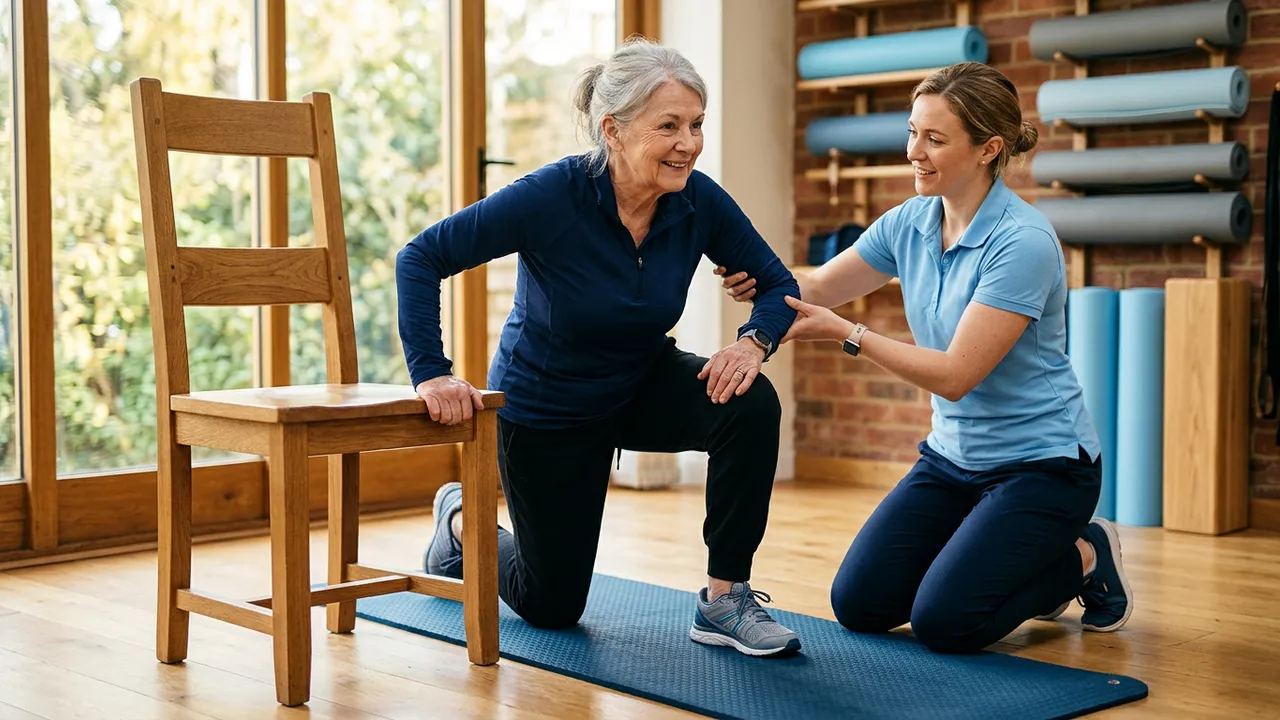
Yes. You can learn how to land in a way that protects your bones, and you can practice a step-by-step way to get up from the floor.
Clinician-written pieces on aging in place, fall prevention, and caregiving, plus videos as we add them. Practical, plain-spoken, and built around one idea: safety and independence are partners, not opposites.
Longer reads from Dr. Russ L'HommeDieu, DPT, on the real decisions families face at home.
Getting up after a fall
Yes. You can learn how to land in a way that protects your bones, and you can practice a step-by-step way to get up from the floor.
Fall detection
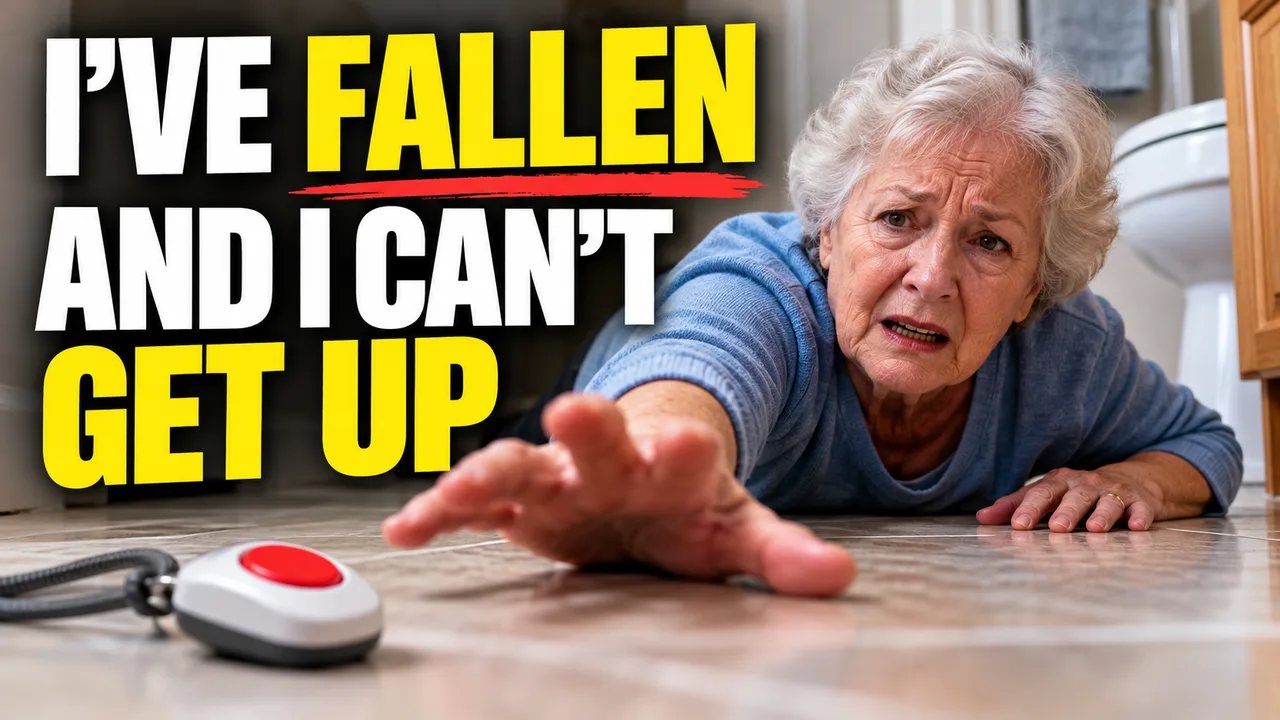
Why the button on a pendant so often goes unpressed, and how radar, Wi-Fi sensing and LiDAR let the home itself notice a fall.
Physical therapy
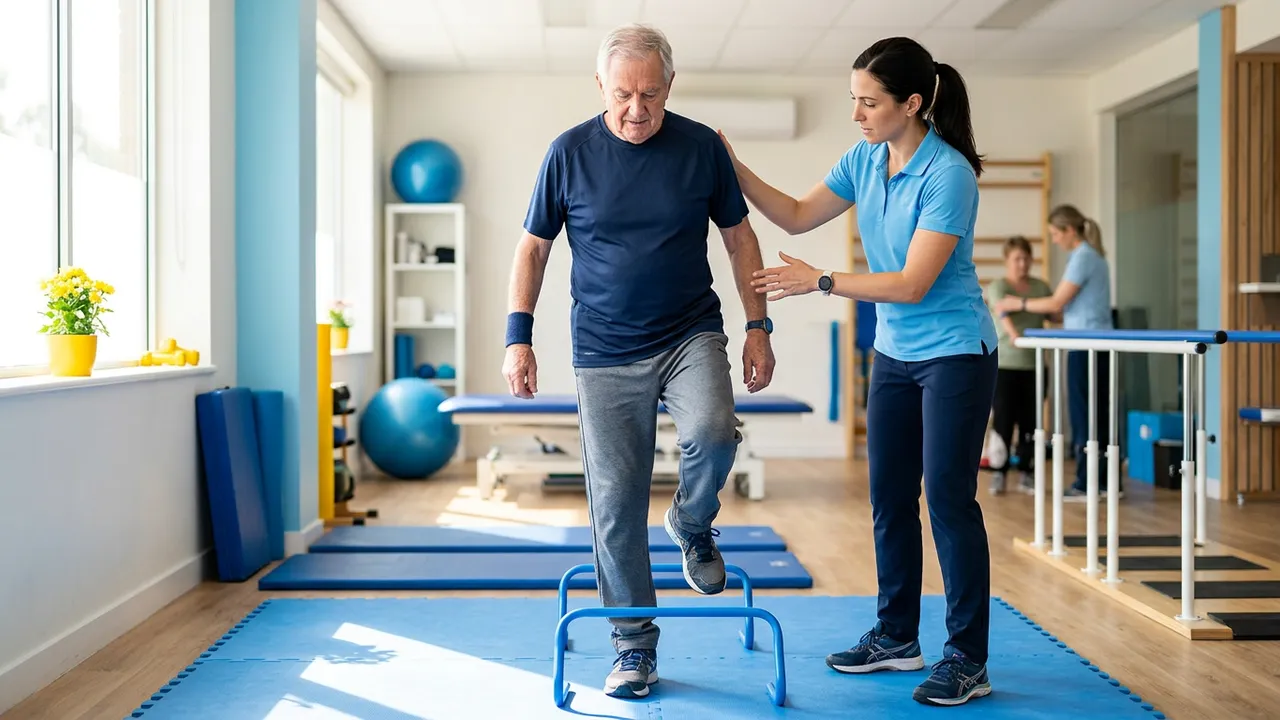
A physical therapist (PT) tests your strength, walking, and balance, finds what is driving your fall risk, and builds an exercise plan to fix it.
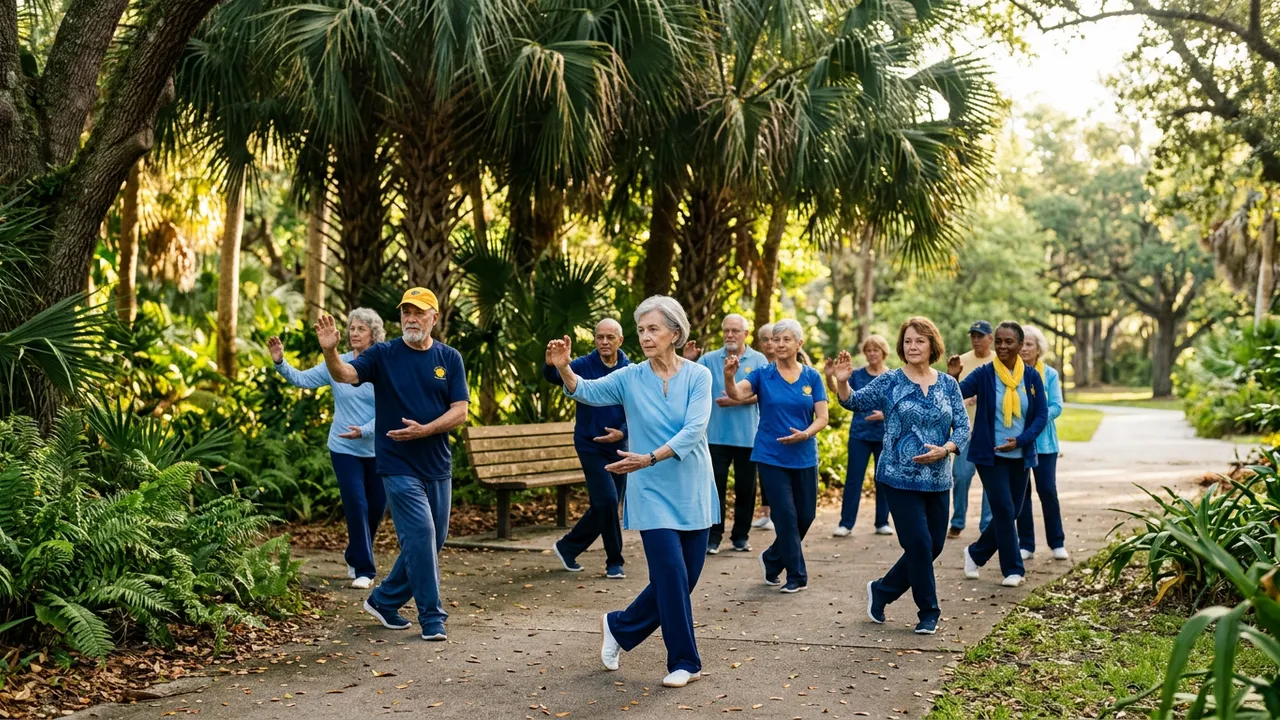
Community programs
Several fall prevention programs have strong research behind them, including tai chi, the Otago Exercise Program, Stepping On, and A Matter of Balance.
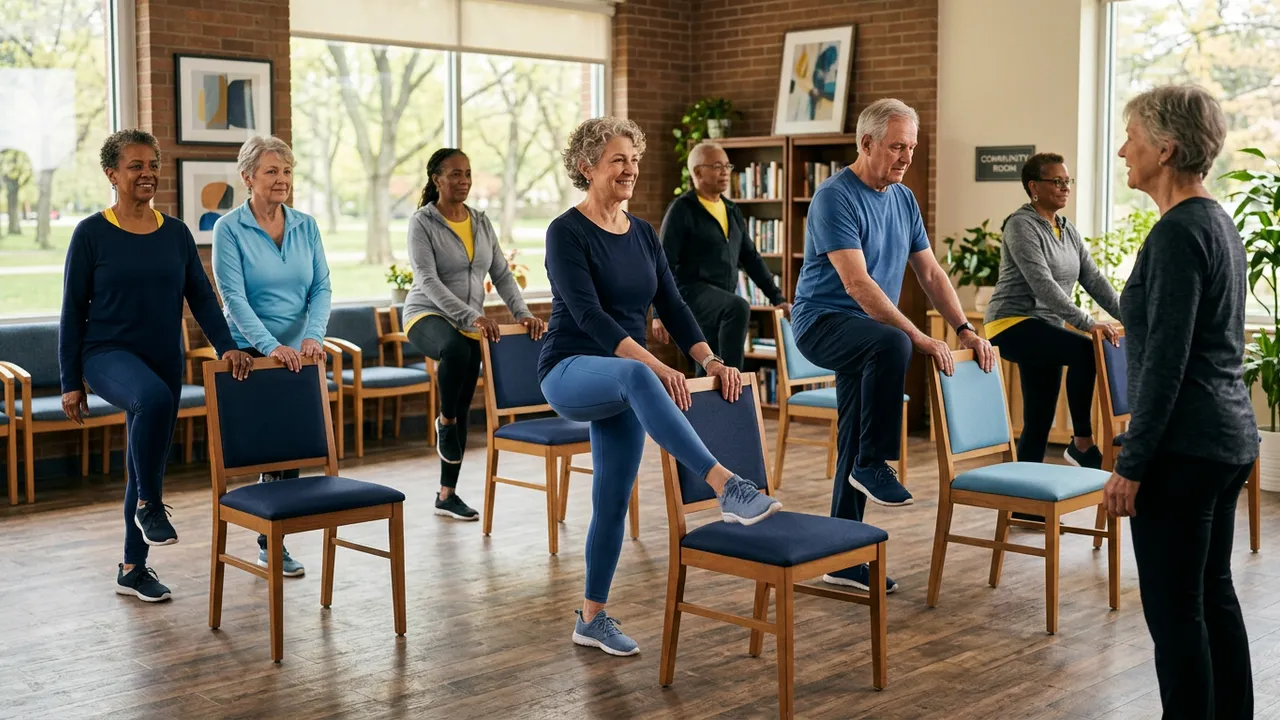
Exercise
The exercise that prevents falls combines strength training with balance work that truly challenges you, done standing, several times a week, for months.
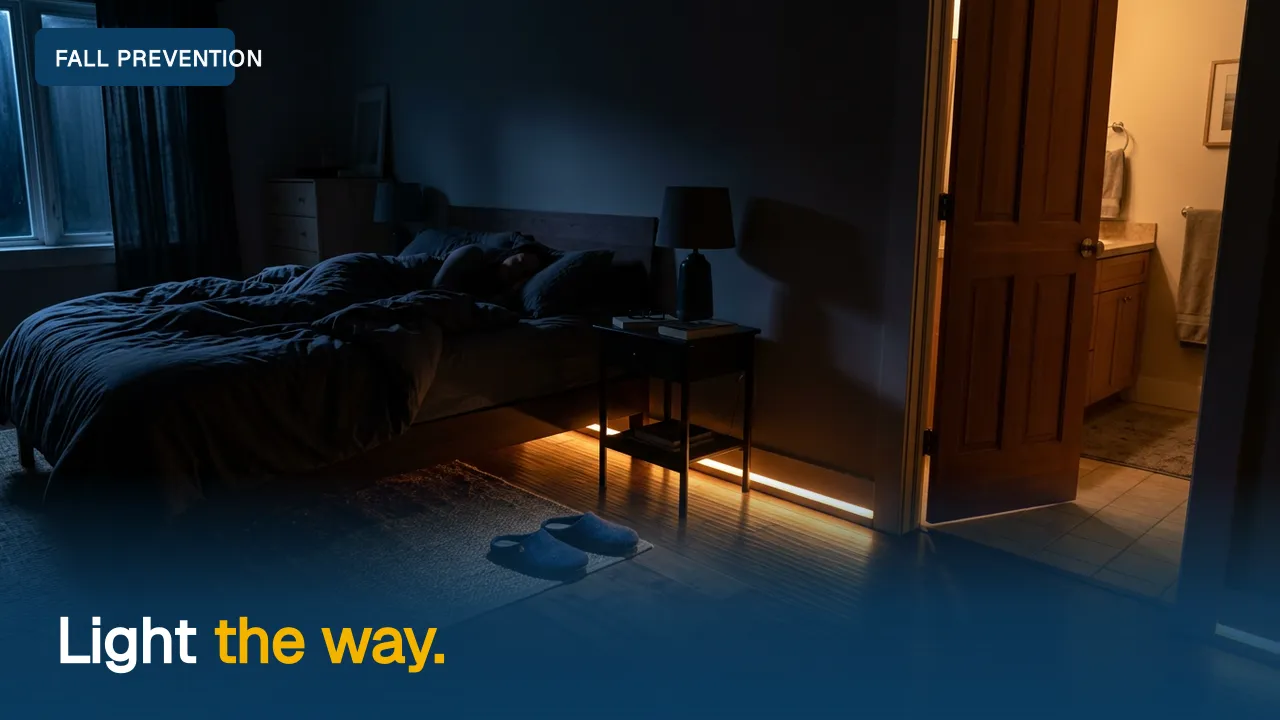
Fall prevention
Most night falls happen on the way to the bathroom. Light the path, set up the bed, get up in stages, and review medicines with the prescriber.
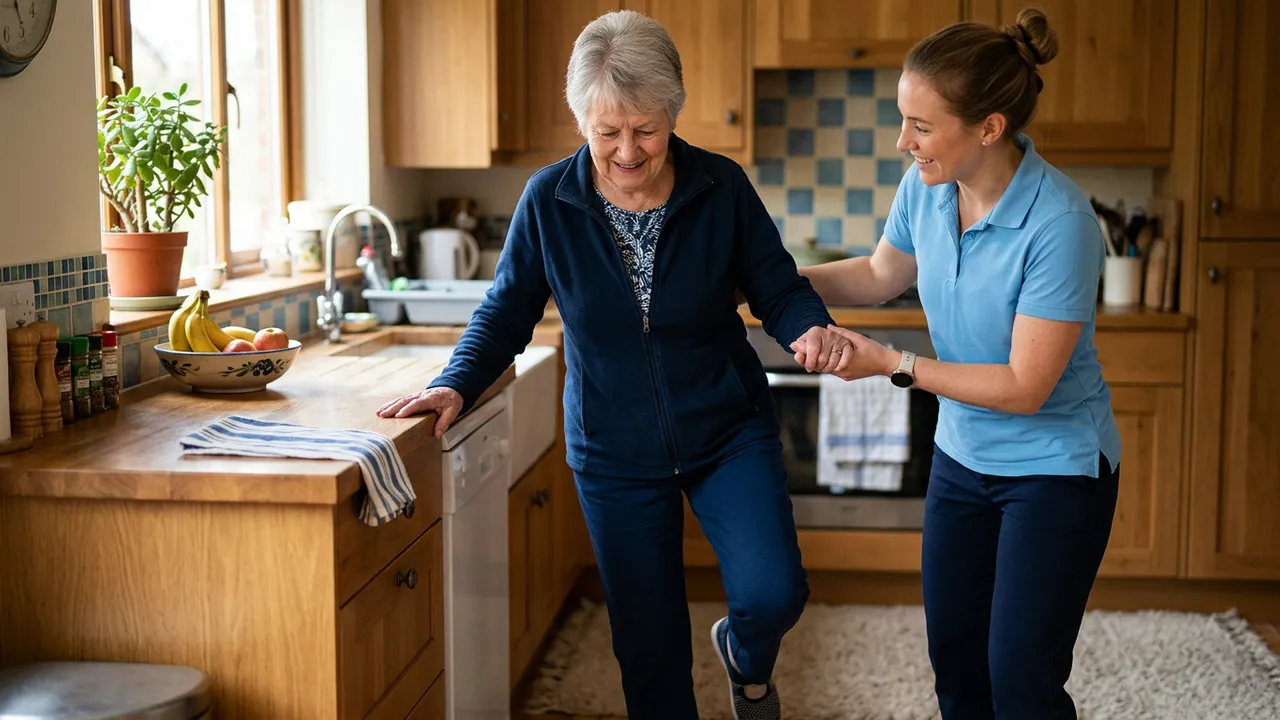
Confidence
Some caution is healthy. But when worry about falling makes you move less, your muscles weaken, your walk changes, and your risk actually goes up.
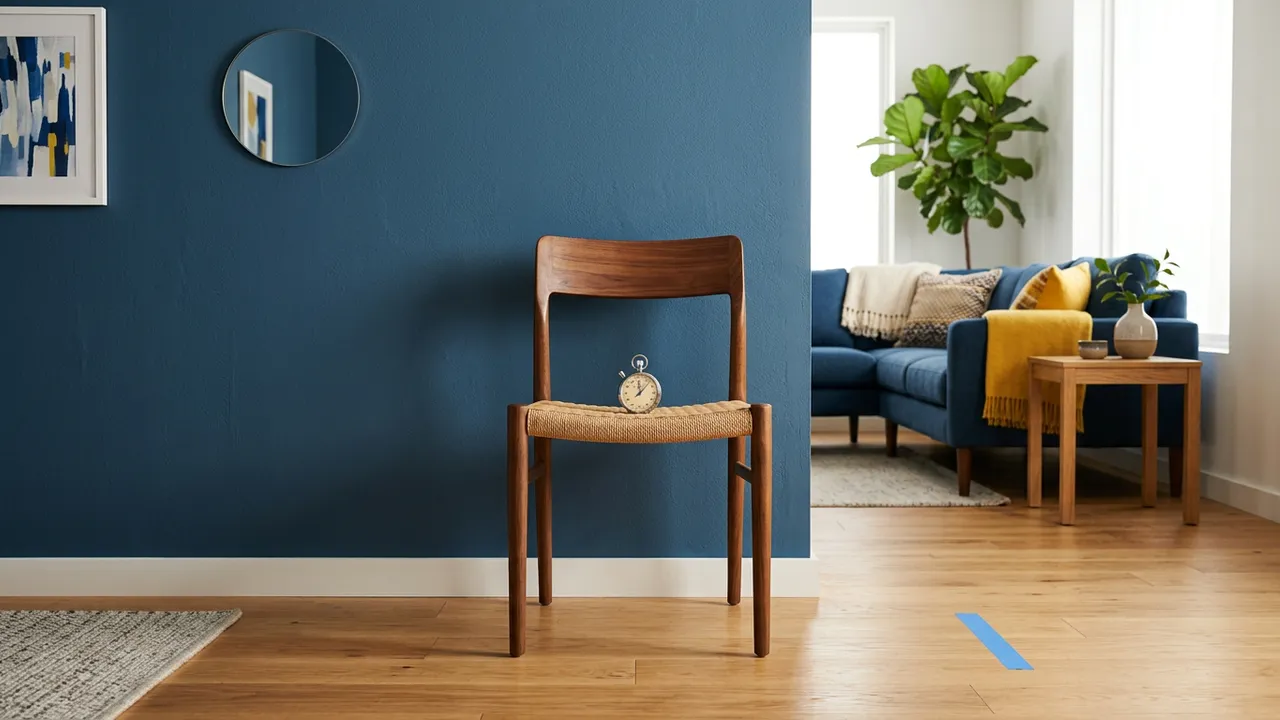
Self-check
Three short tests used by doctors and therapists can give you a quick picture of your strength and balance: the 30-Second Chair Stand, the 4-Stage Balance Test and the Timed Up and Go.
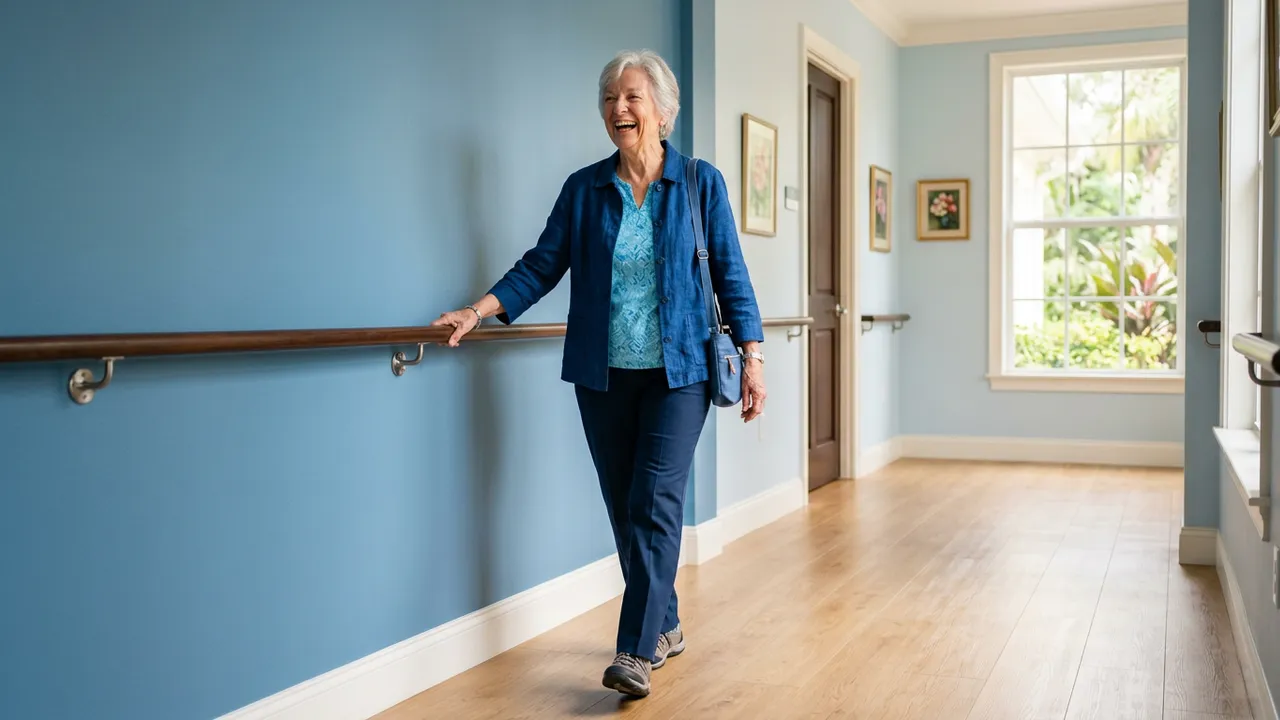
Fall prevention
Falls are common as people get older, but they are not a normal or expected part of aging.
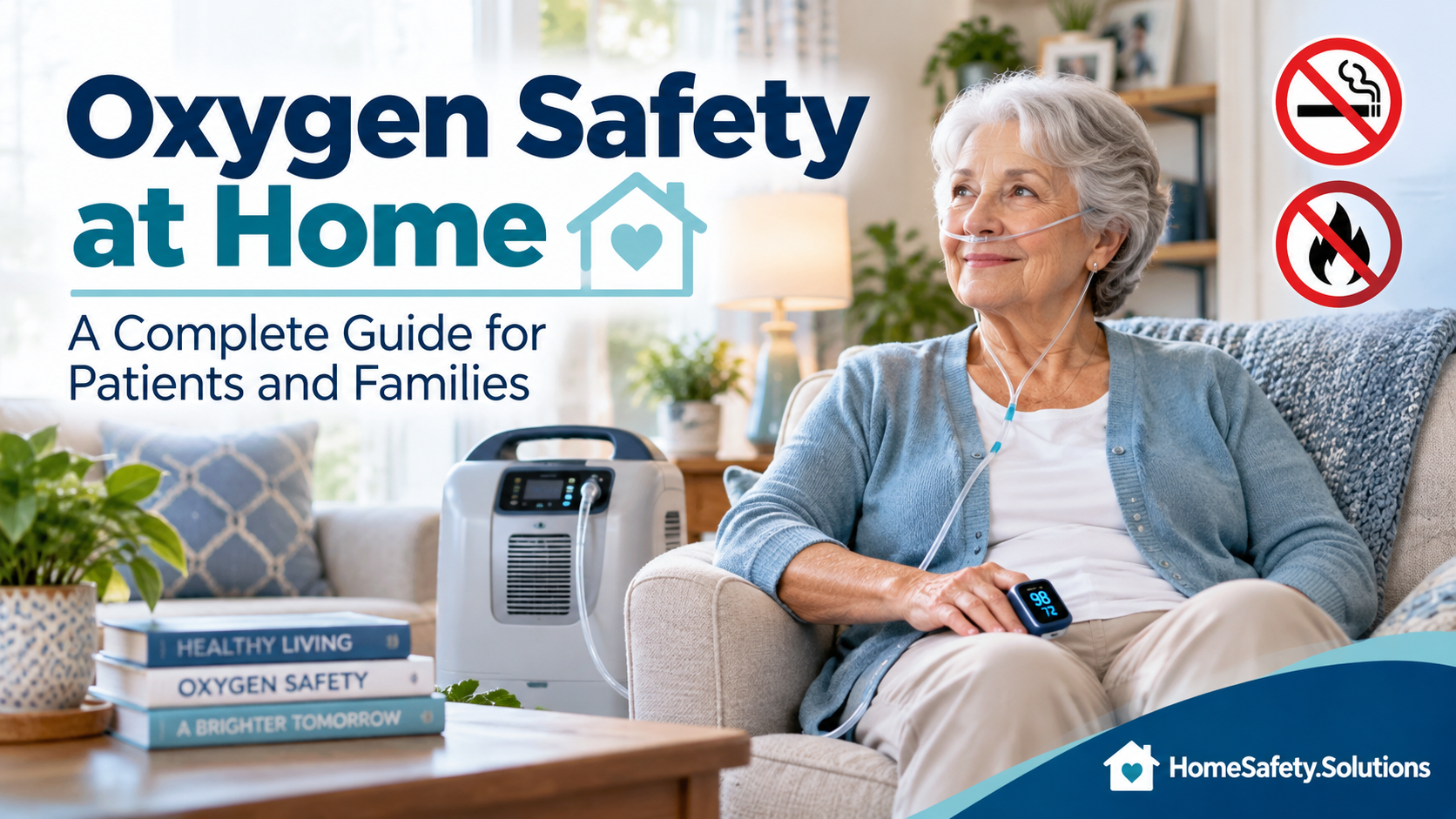
Oxygen safety
A practical guide to Medicare coverage, oxygen equipment, pulse oximeters, fire prevention, cylinder storage, fall risks and power outages at home.
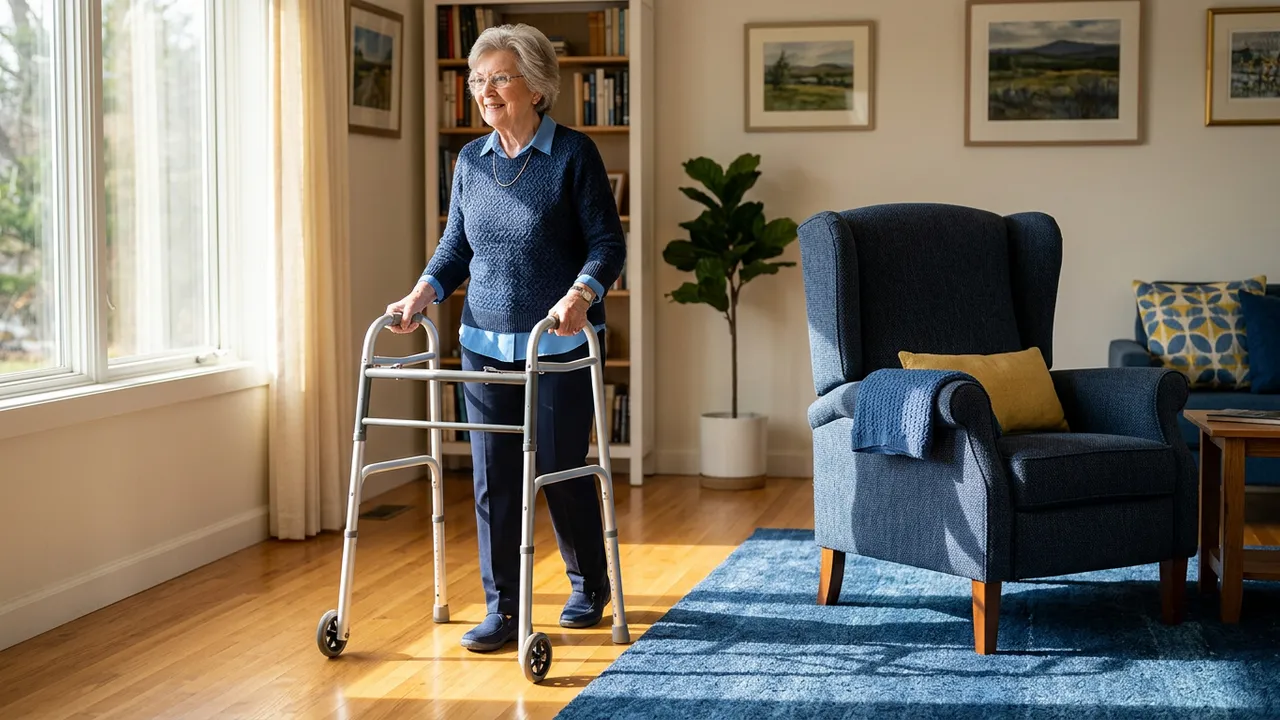
Hip fracture
Recovery at home depends on three things: a house that is ready, exercise that keeps progressing, and a plan to prevent the next fall.
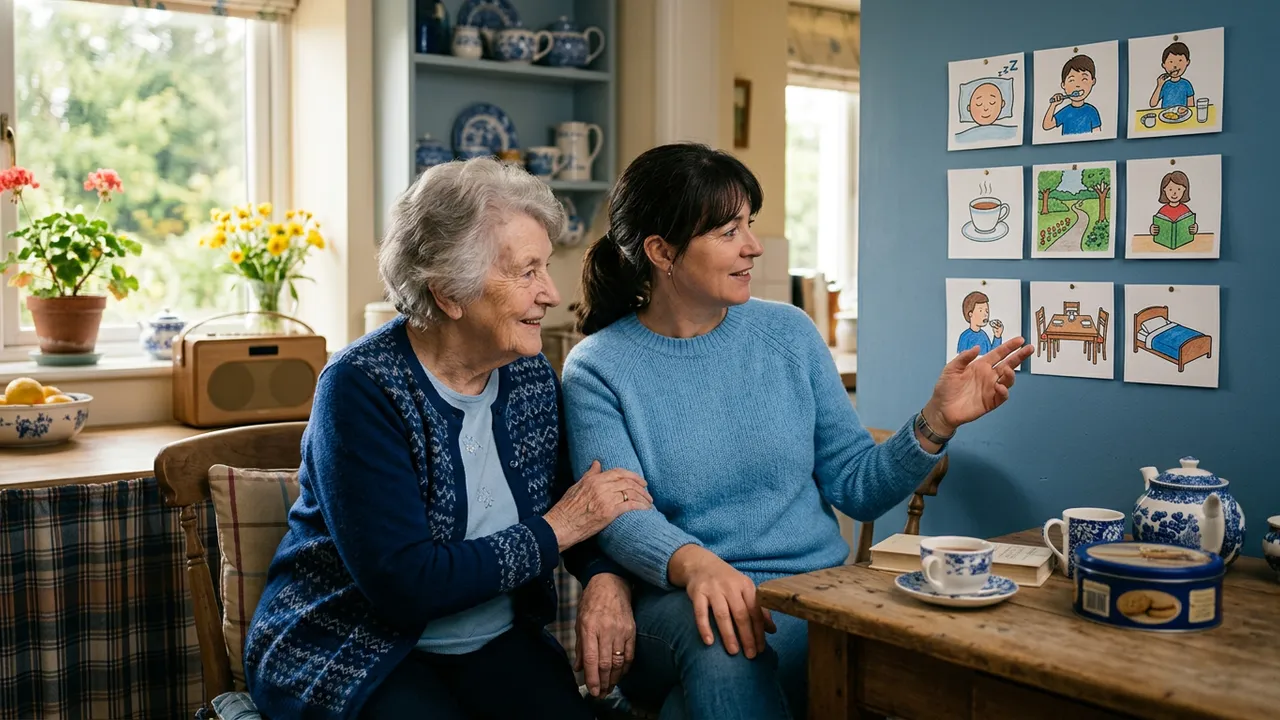
Dementia
Dementia and mild cognitive impairment double the risk of falling and of getting hurt in a fall.
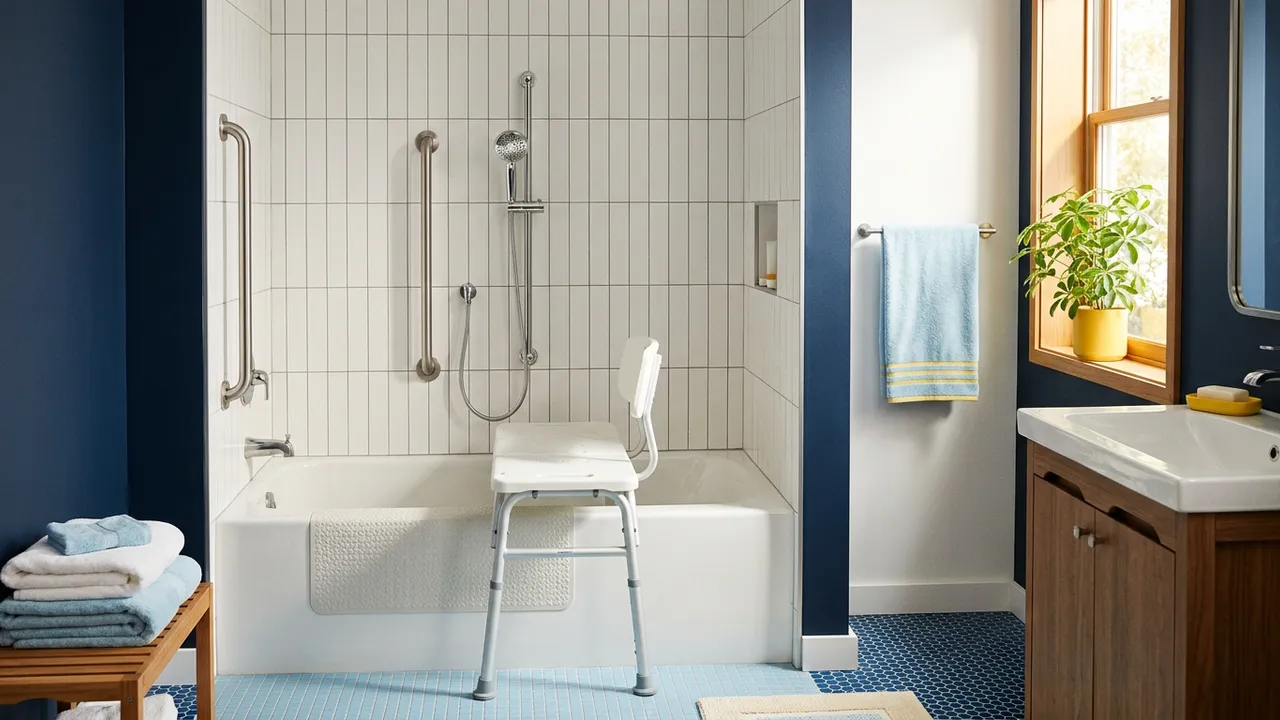
Stroke recovery
After a stroke, the home has to fit a body that now works differently on one side. The safest setup is built around how the person actually moves today, not how they moved before.
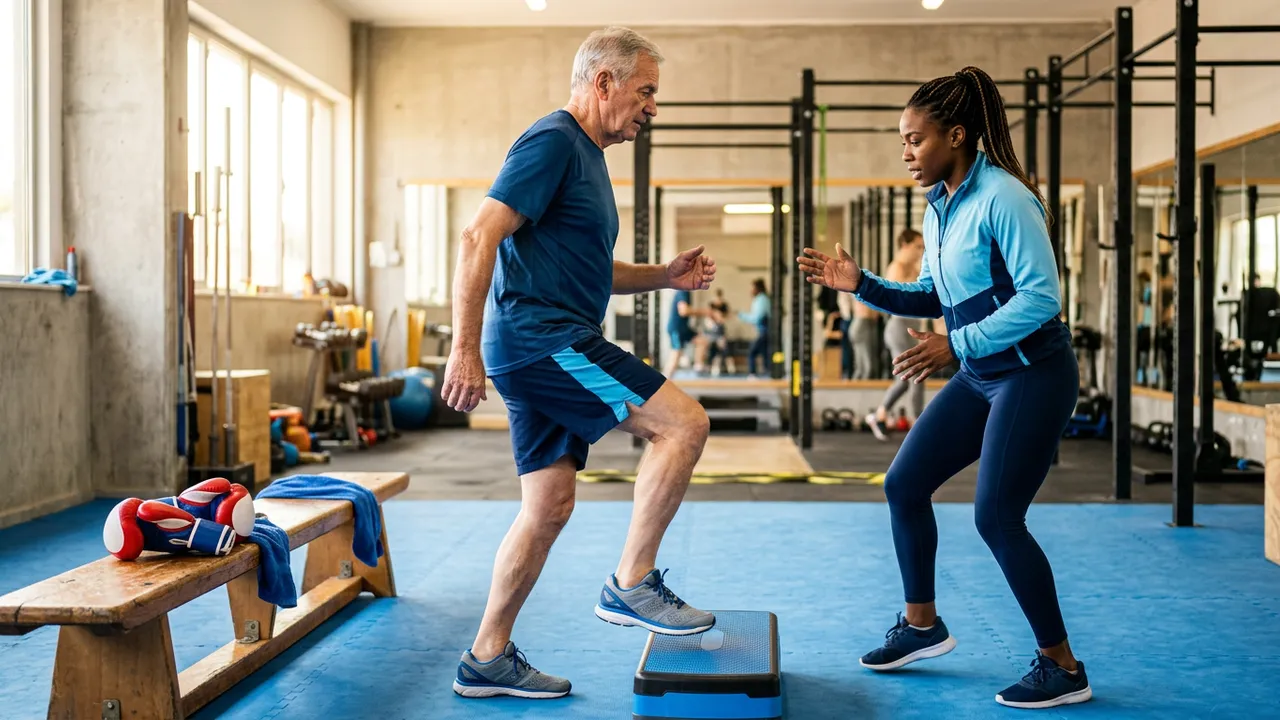
Parkinson's disease
Parkinson's disease raises fall risk in ways that are different from ordinary aging. About 25% of people fall in the first year after diagnosis.

Bone health
Fall prevention has two jobs: fewer falls, and less harm when a fall still happens. Strong bones handle the second job.
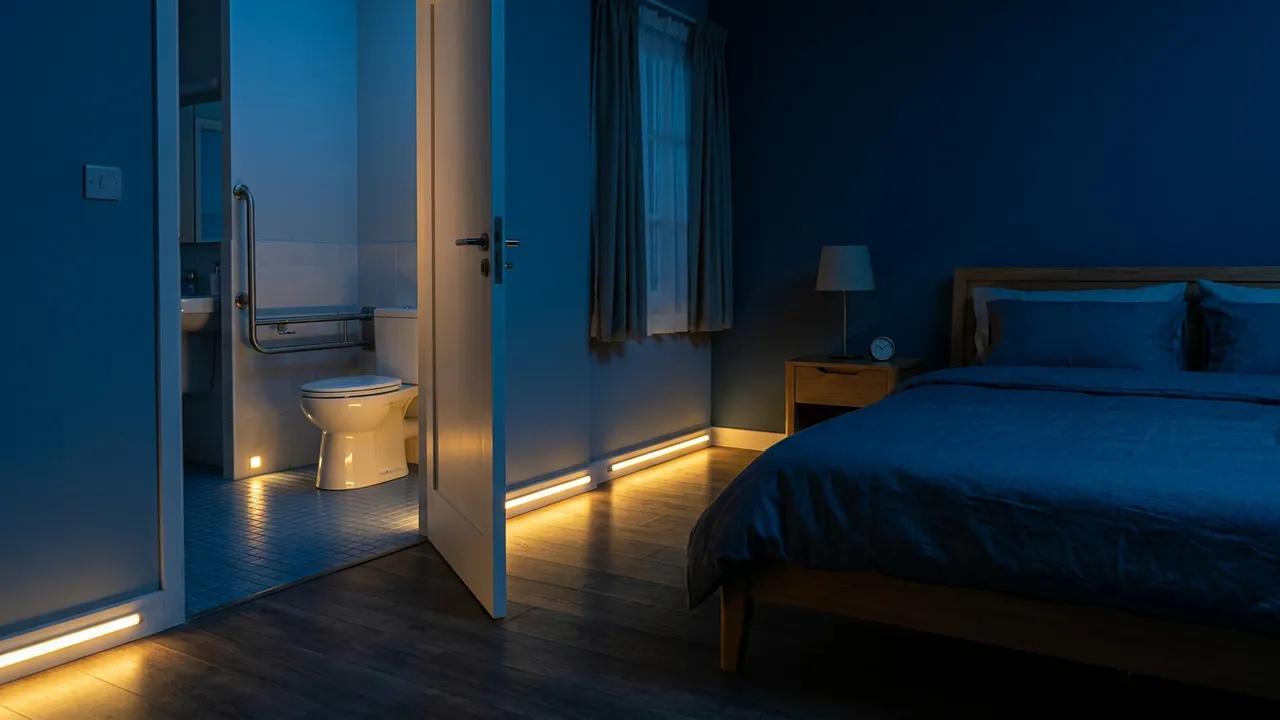
Bladder health
If you often rush to the toilet, or get up two or more times a night to use the bathroom, your fall risk is higher.
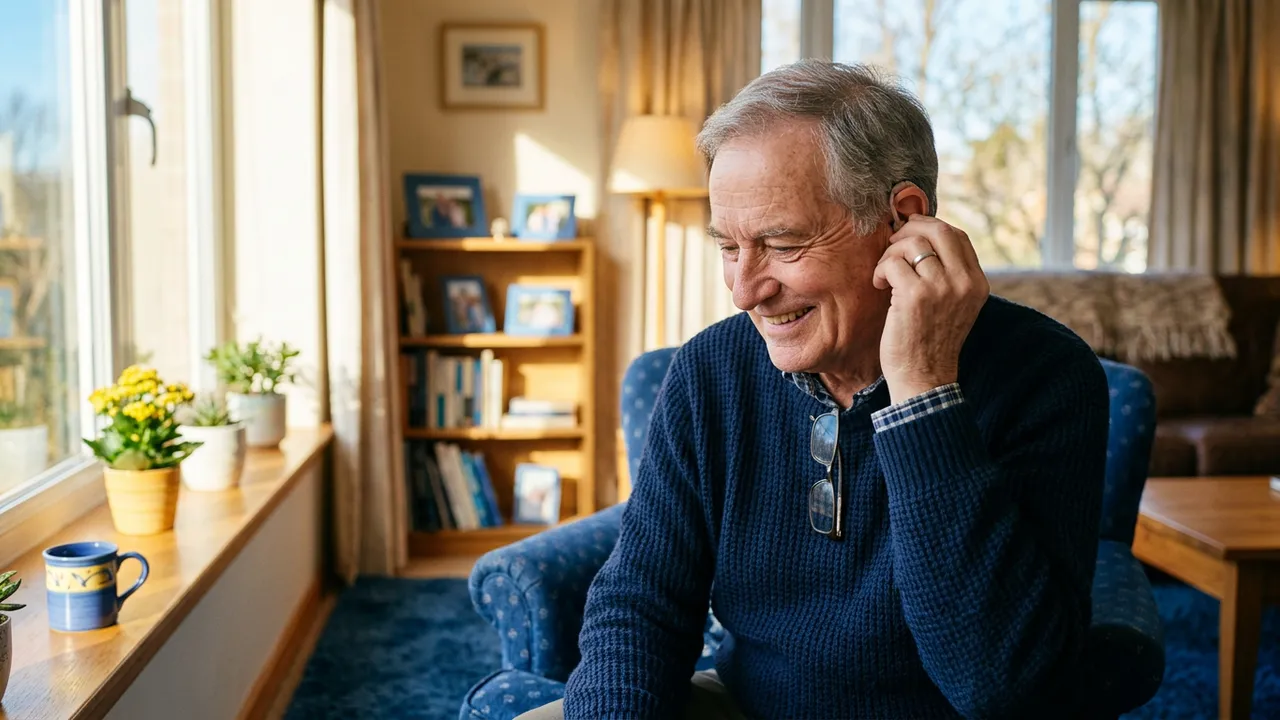
Hearing
Yes, hearing loss and falls are linked. Hearing loss raises fall risk on its own, apart from age and other health problems.
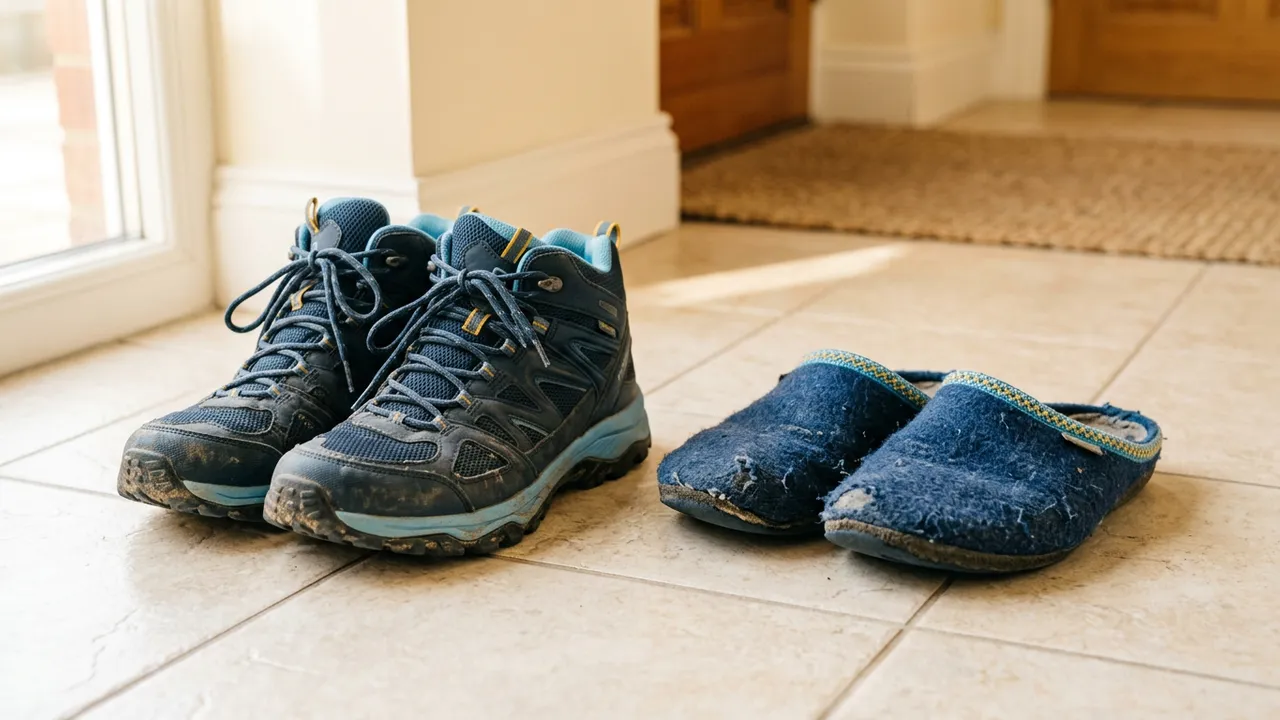
Feet and footwear
Your feet are part of your balance system. When they lose feeling, hurt, or sit in loose or slippery shoes, your brain gets poor information about the ground, and a fall becomes more likely.
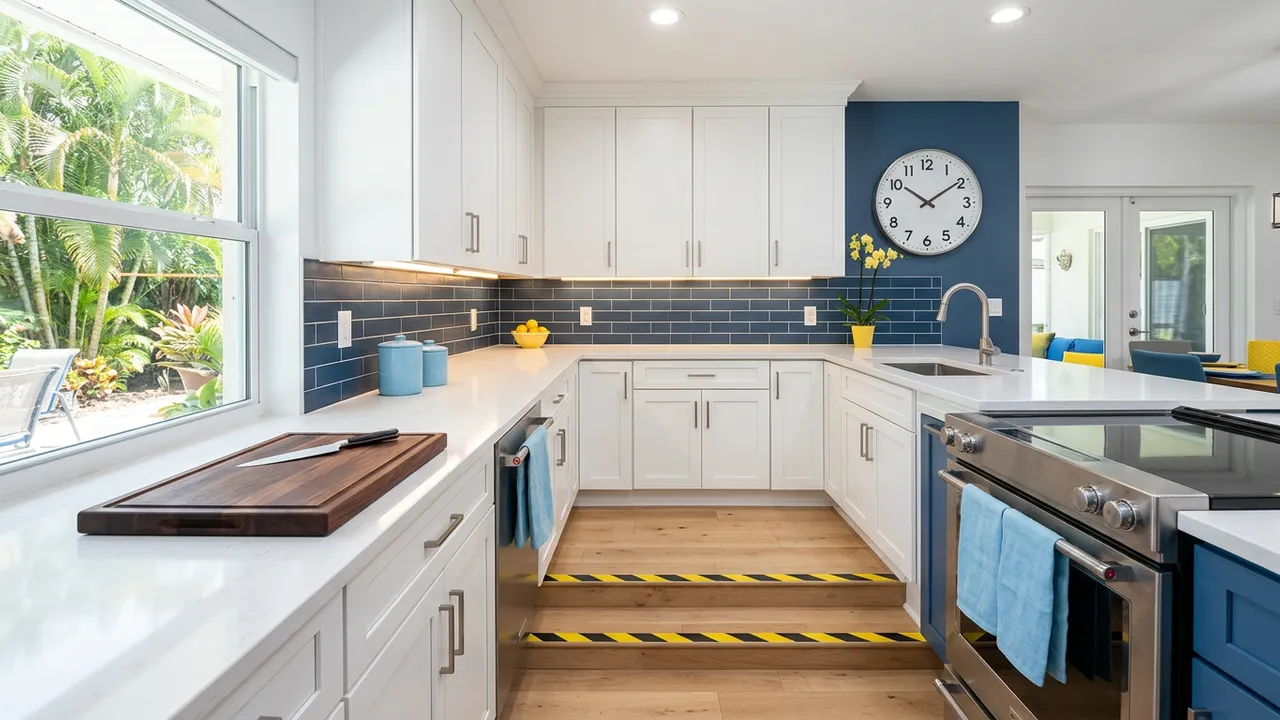
Low vision
Low vision means vision loss that glasses cannot fully correct, and it roughly doubles the chance of a fall.
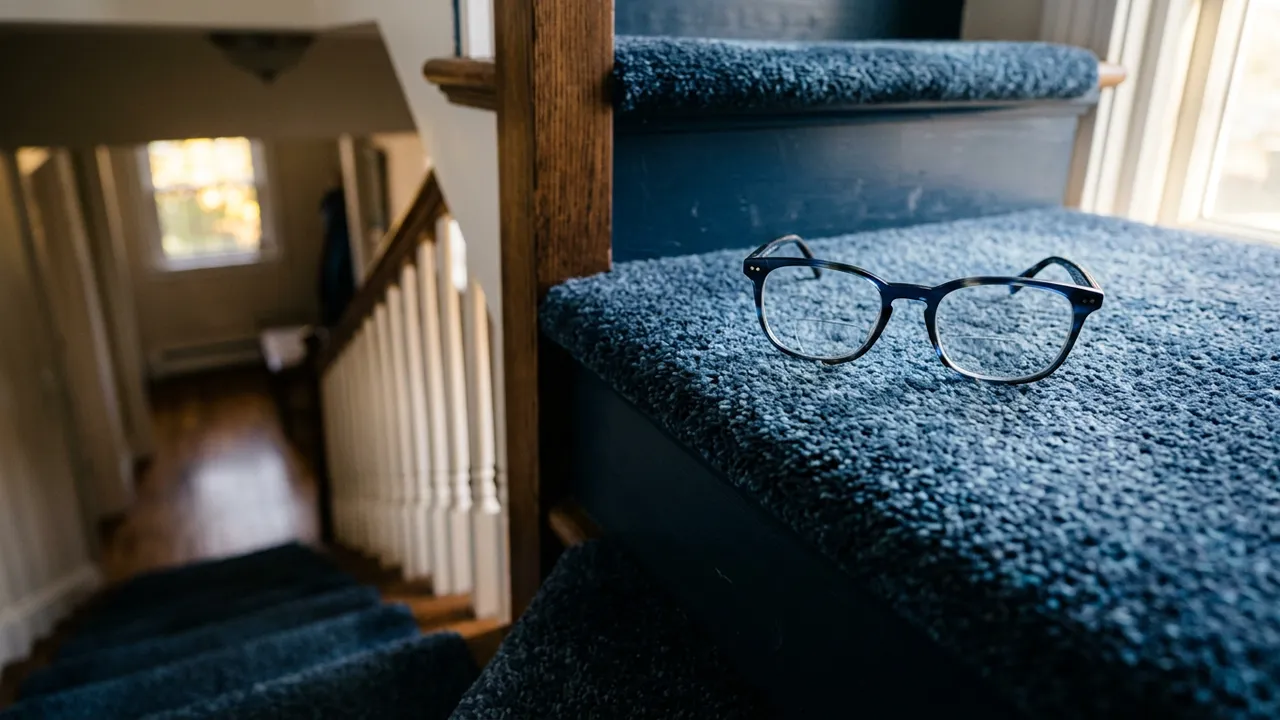
Vision
Bifocals and other multifocal lenses can make stairs, curbs and thresholds harder to see, because you look down through the reading part of the lens.
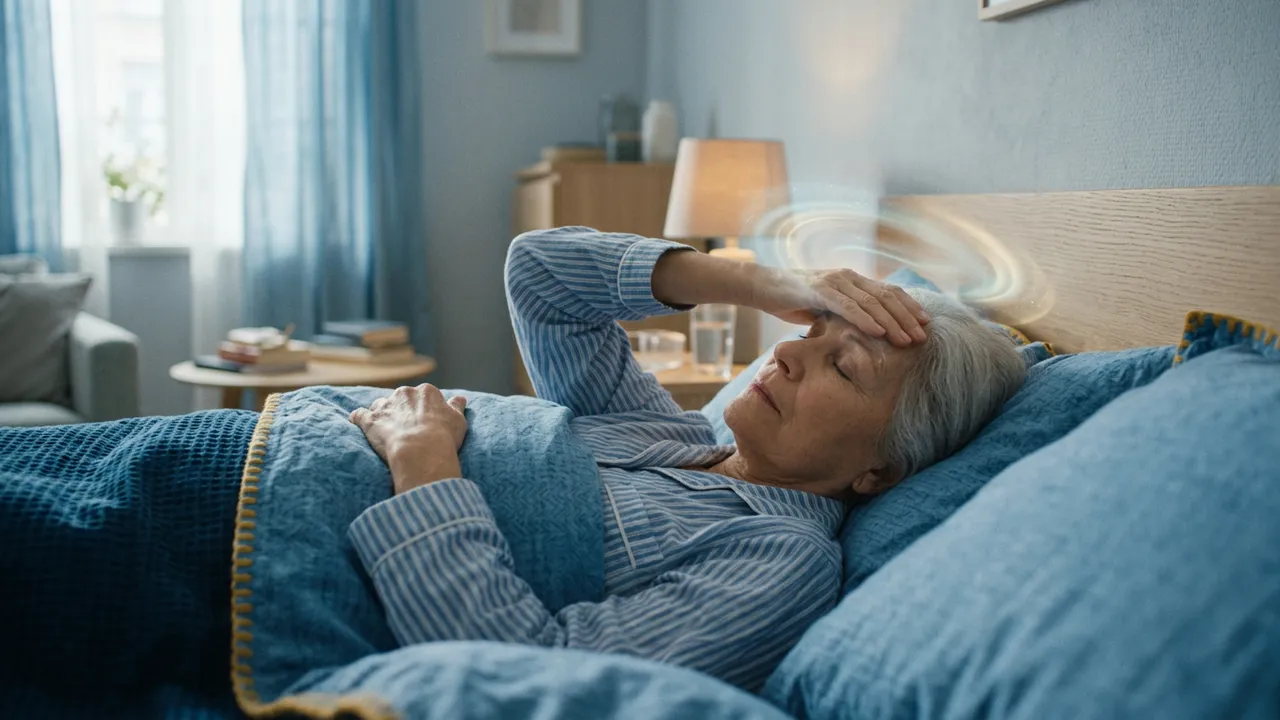
Vertigo
If the room spins for a few seconds when you roll over in bed, lie down or tip your head back, the cause is often BPPV (benign paroxysmal positional vertigo).
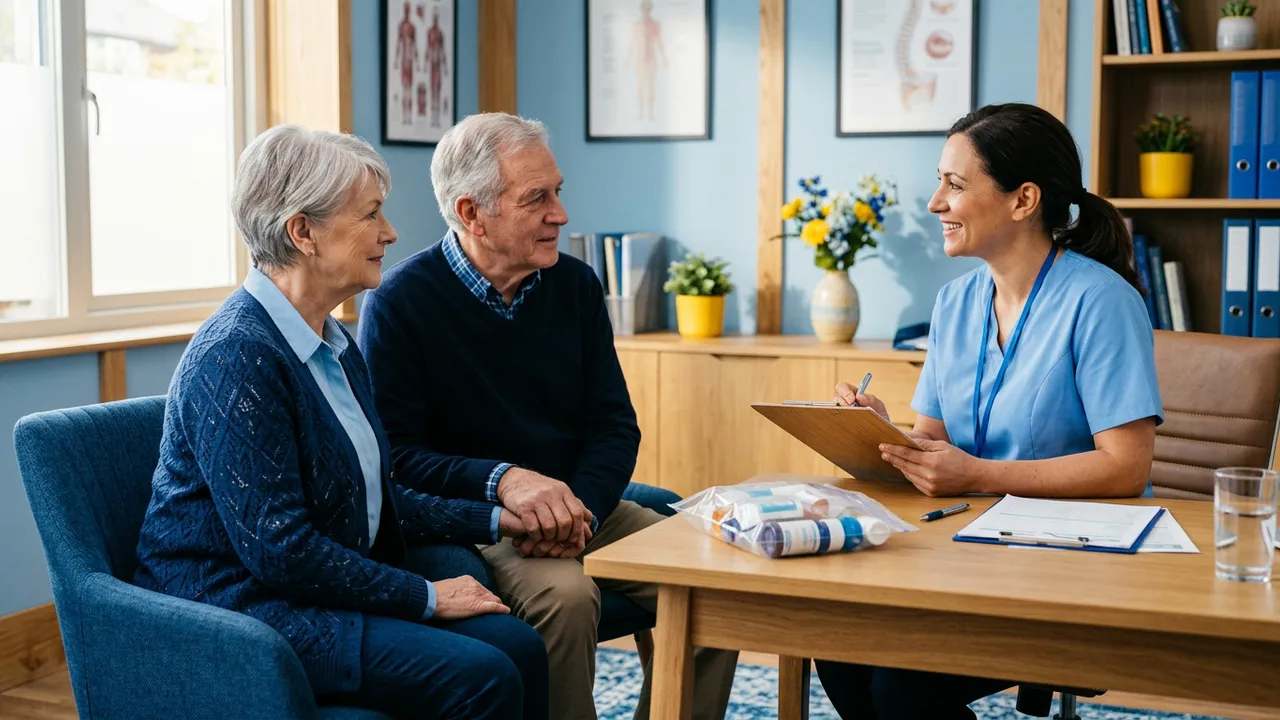
Talking to your doctor
Your doctor may not ask about falls unless you bring them up, so plan to raise the topic yourself.
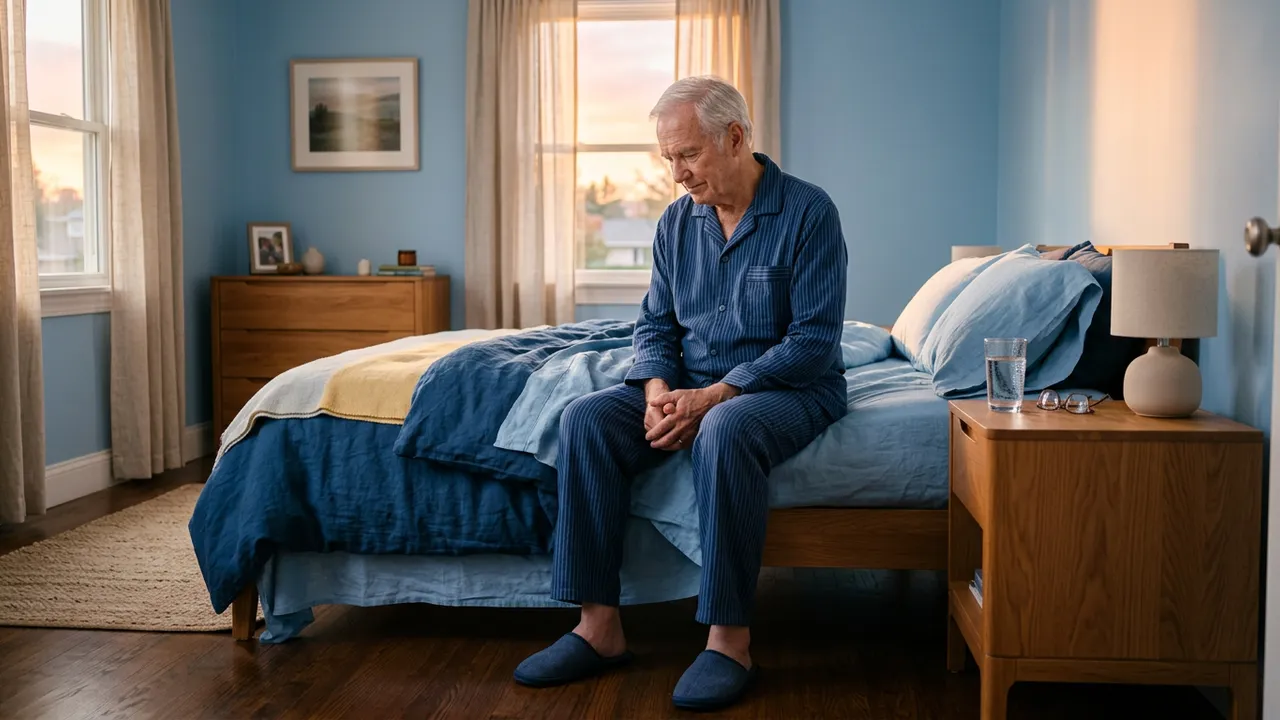
Dizziness
If you feel lightheaded, woozy or "gray" for a moment when you stand up, your blood pressure may be dropping too far as you rise.
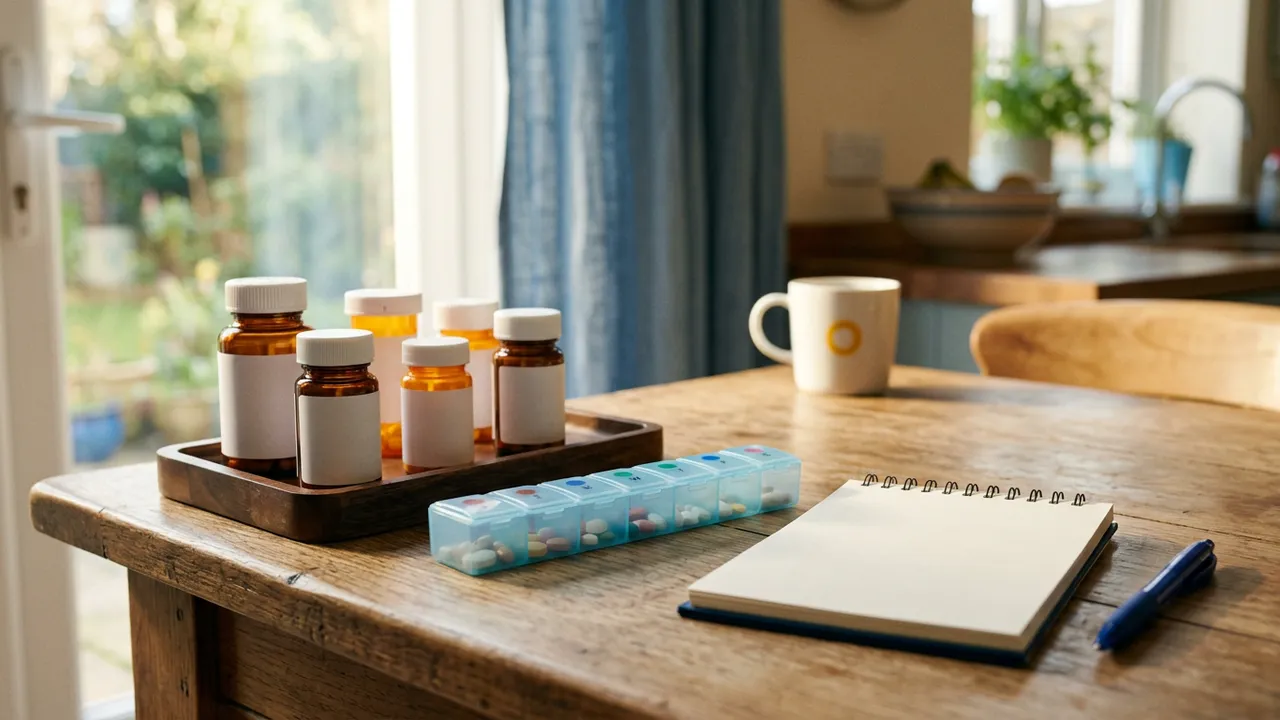
Medications
Many common medicines can make a fall more likely, especially when several are taken together.
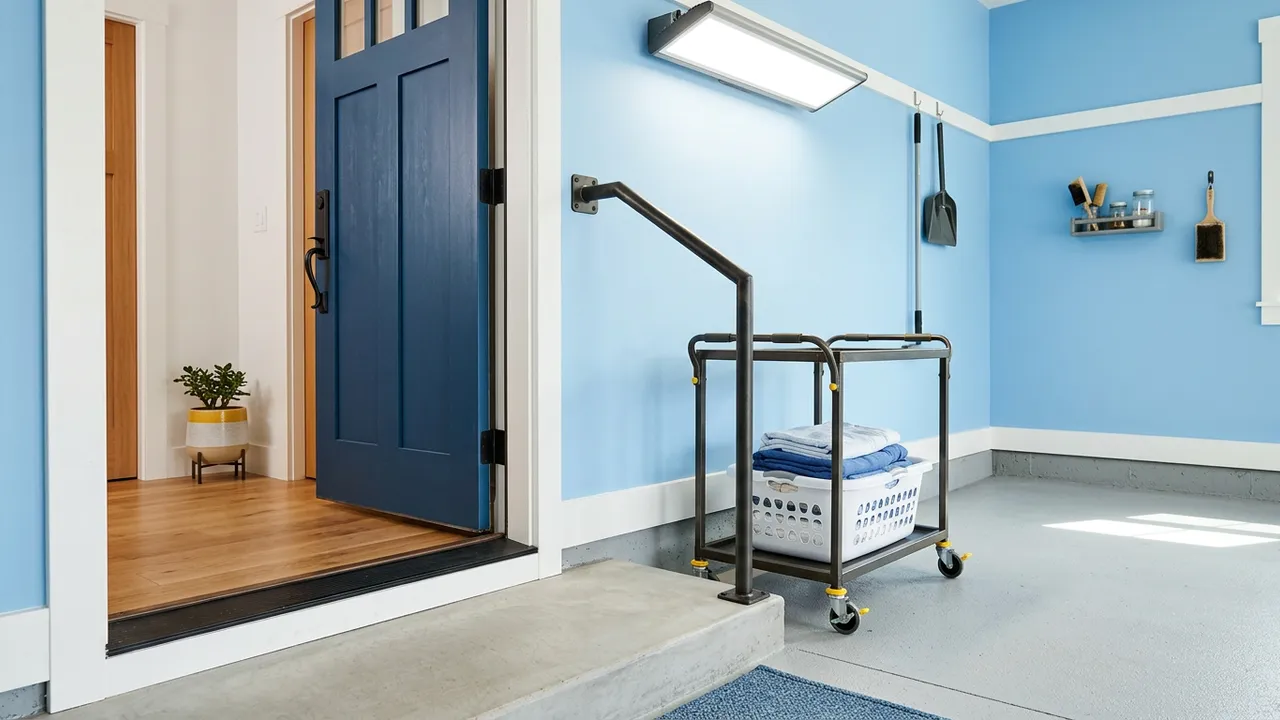
Garage and laundry
Garage and laundry trips combine several fall risks at once: a step down, a hard floor that may be uneven or slick, poor lighting and something heavy in your arms.
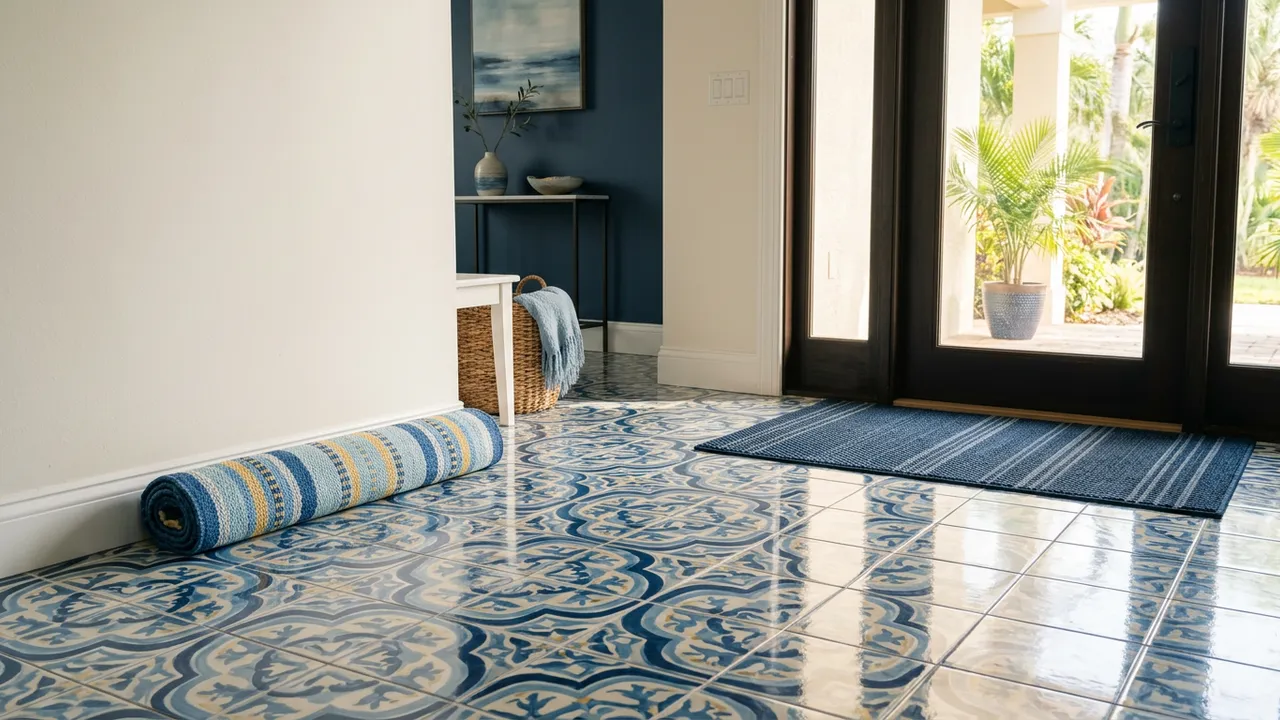
Floors
Yes. Removing or securing throw rugs is the first item on the list of fall fixes to make today.
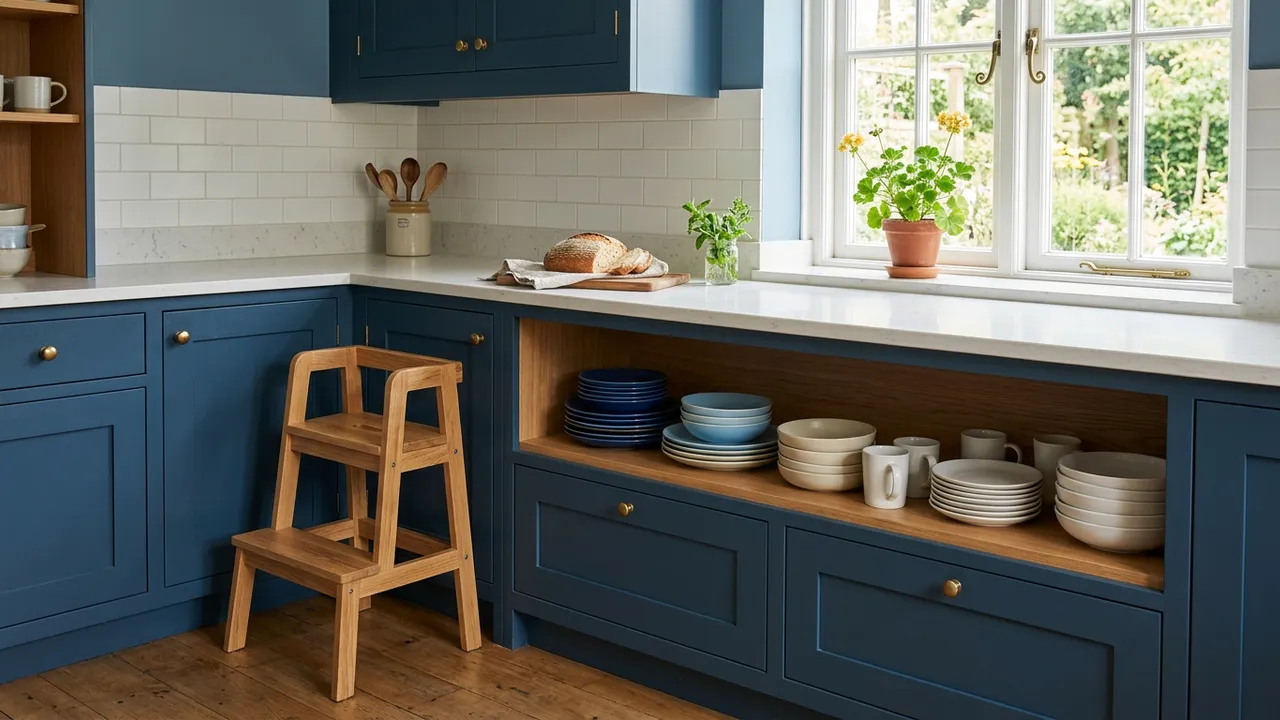
Kitchen
The biggest kitchen fall risks are reaching up high, bending down low and climbing on a chair to get something.
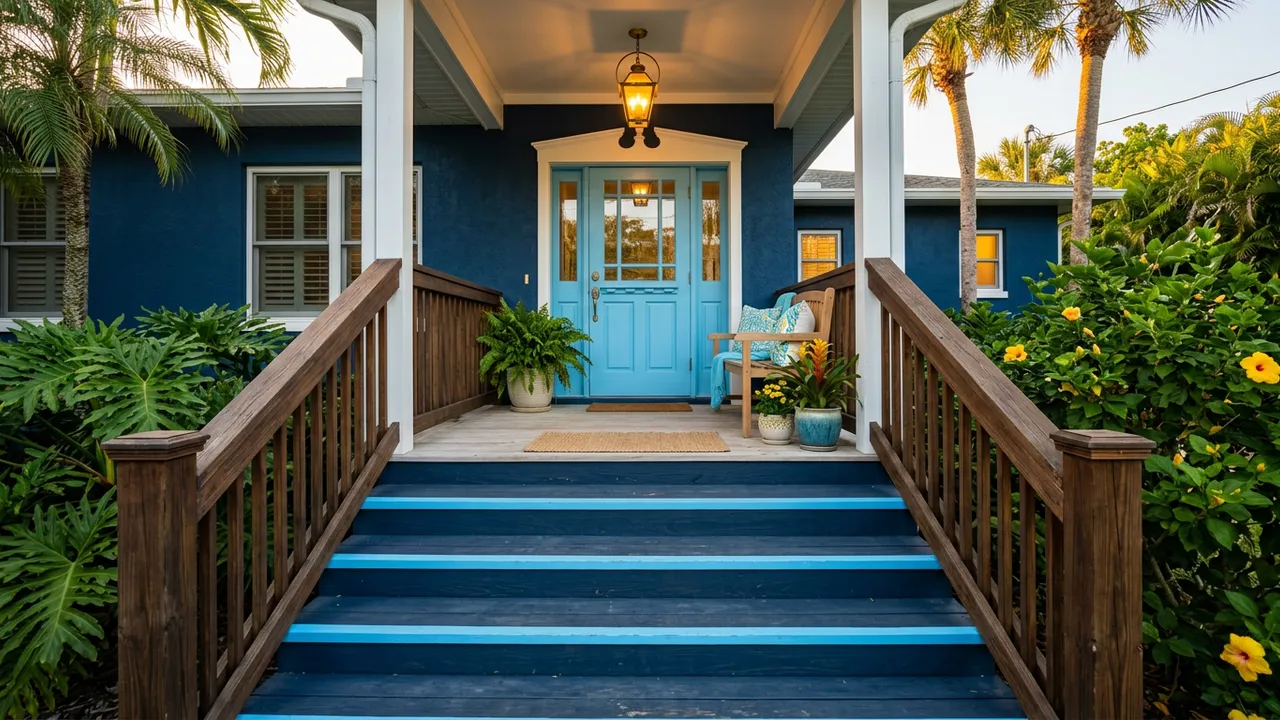
Stairs
Most stair falls can be made less likely with a few changes: handrails on both sides for the full length, light switches at the top and bottom, and step edges that clearly stand out.
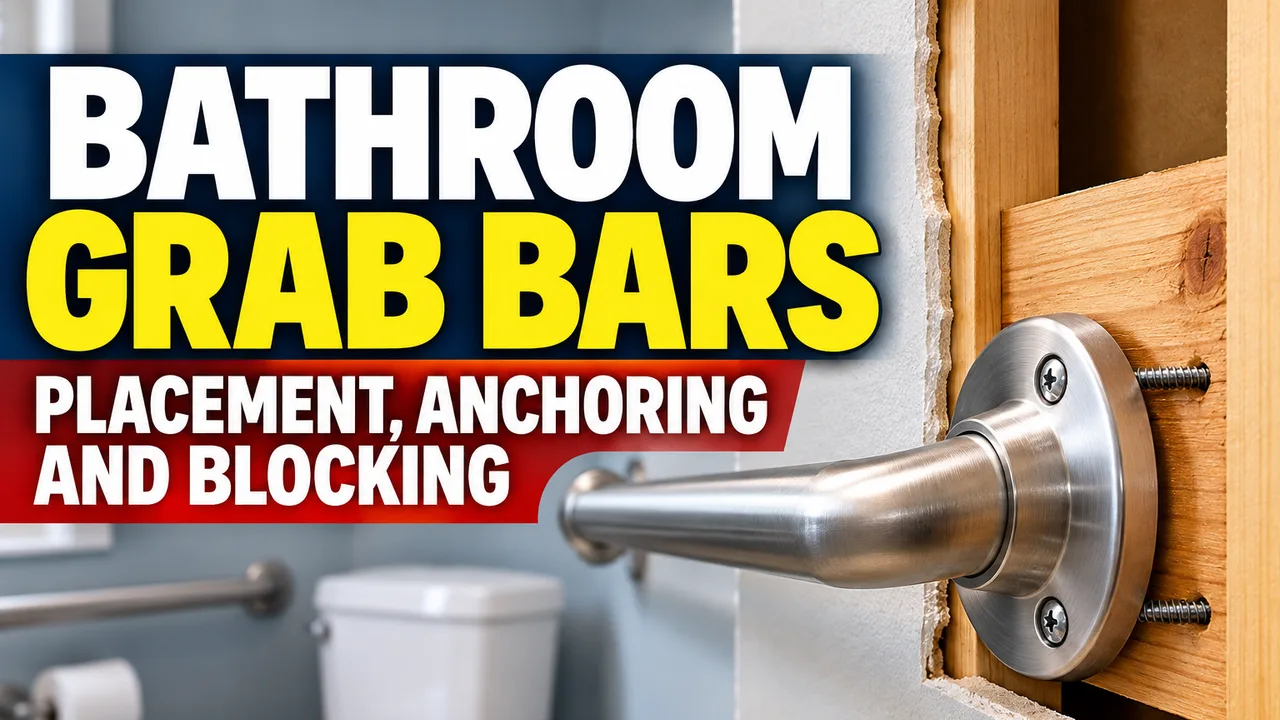
Bathroom safety
Where grab bars belong, how each anchoring method compares, why solid wood blocking is the gold standard, and how to document it.
Pets
You do not have to give up your dog or cat to stay safe. Pets are a real trip hazard, and leashes can pull people off balance, but a few habits and small changes to the home can lower the risk.
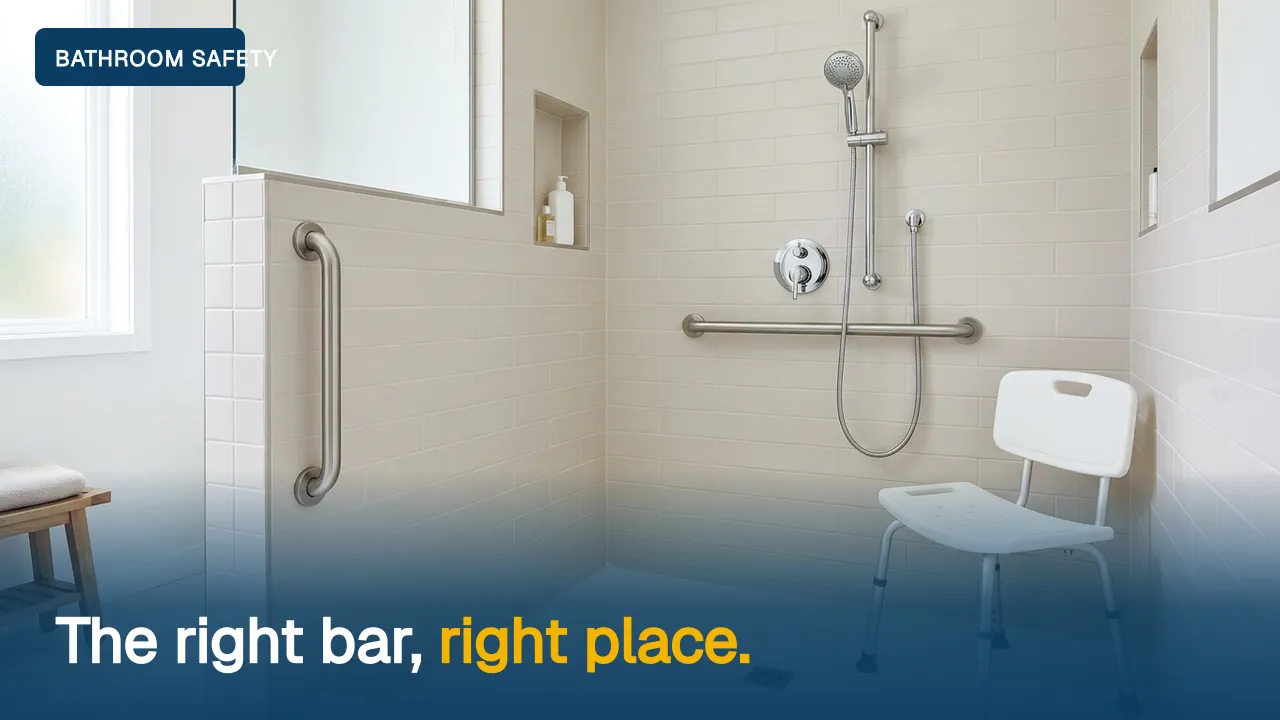
Bathroom safety
Where grab bars usually go, what the standards say, how to anchor them, and why suction cups and towel bars are not the answer.
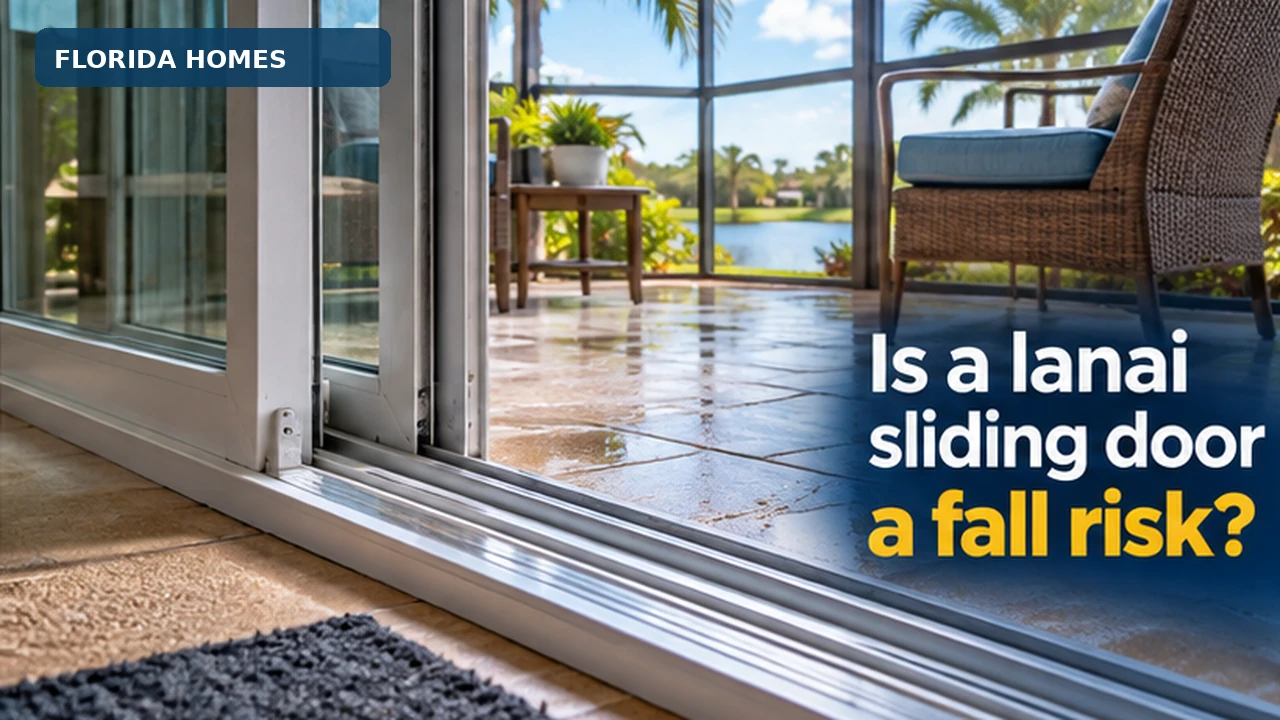
Florida homes
Raised tracks, heavy impact glass and a step down to a wet lanai: how to check a sliding door and fix it without breaking its storm rating.
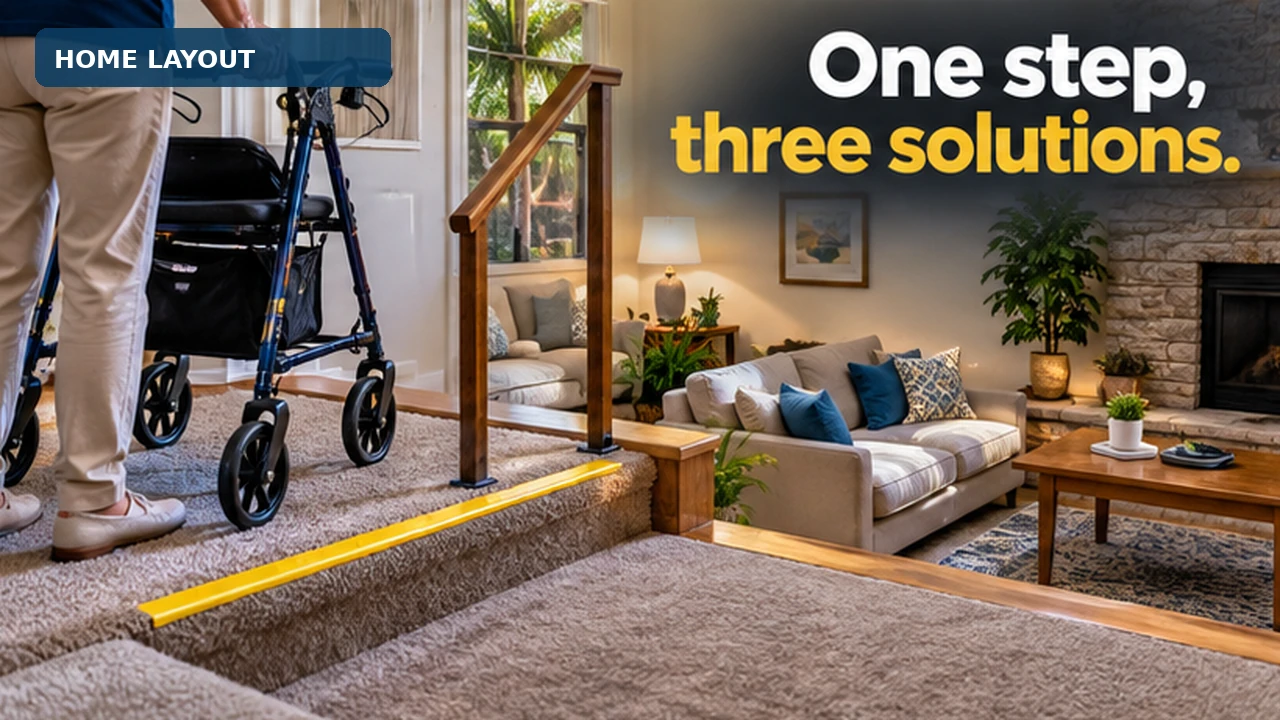
Home layout
Why one step down is riskier than a full staircase, and three ways to make a sunken living room work for a walker user.
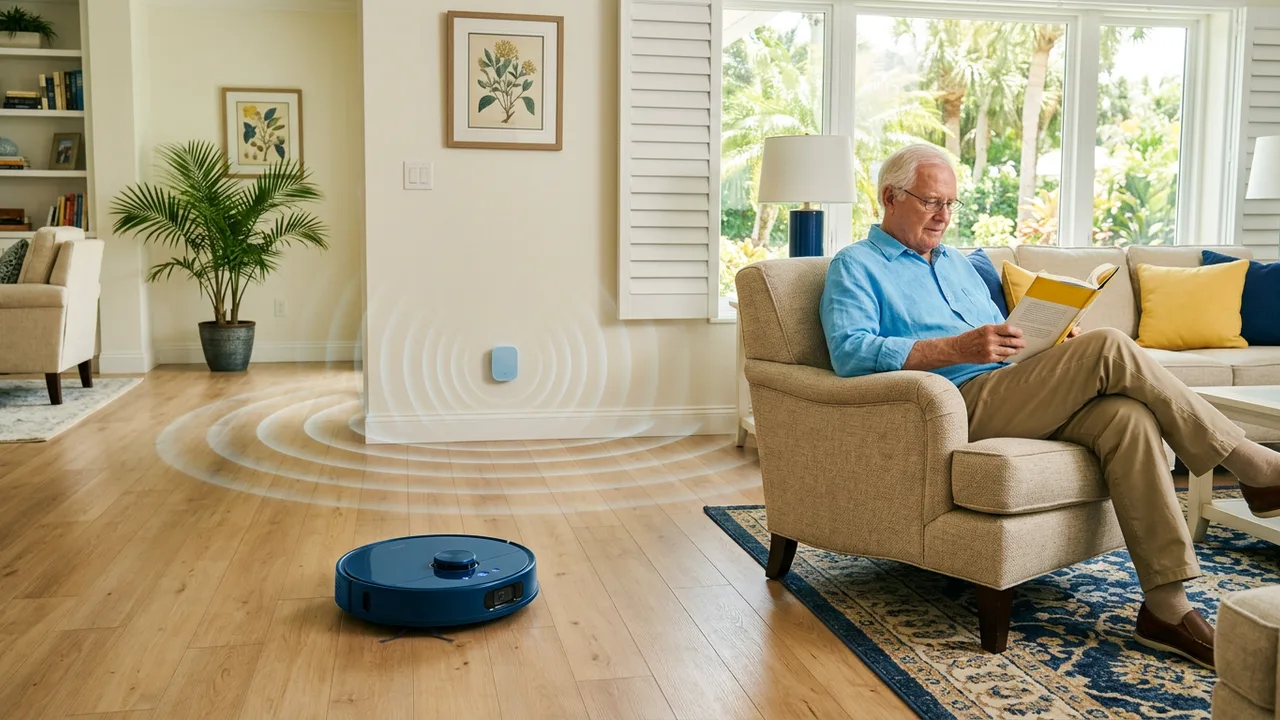
Technology
A robot vacuum with a camera can find someone who has fallen and open a two-way call. It cannot catch every fall, so it works best as one part of a bigger safety plan.
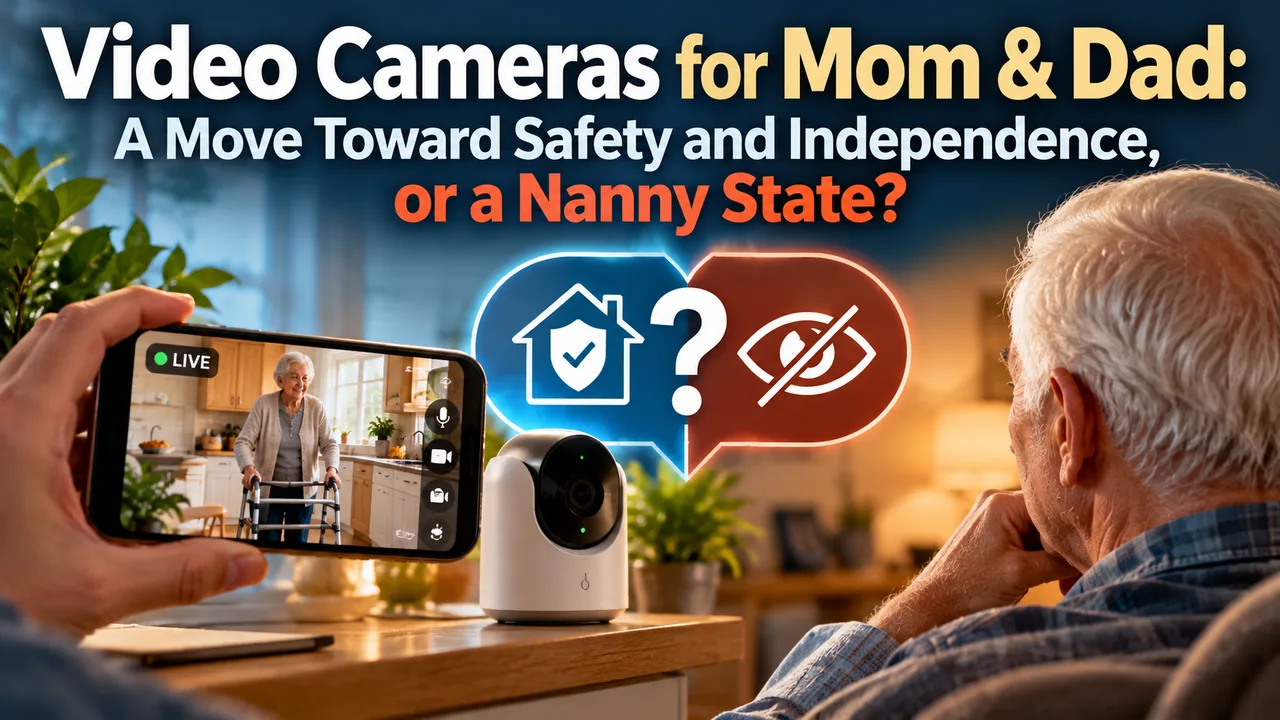
Remote caregiving
A physical therapist on what home cameras showed him about his own mother, the bathroom paradox, and a compassionate use guideline for families.
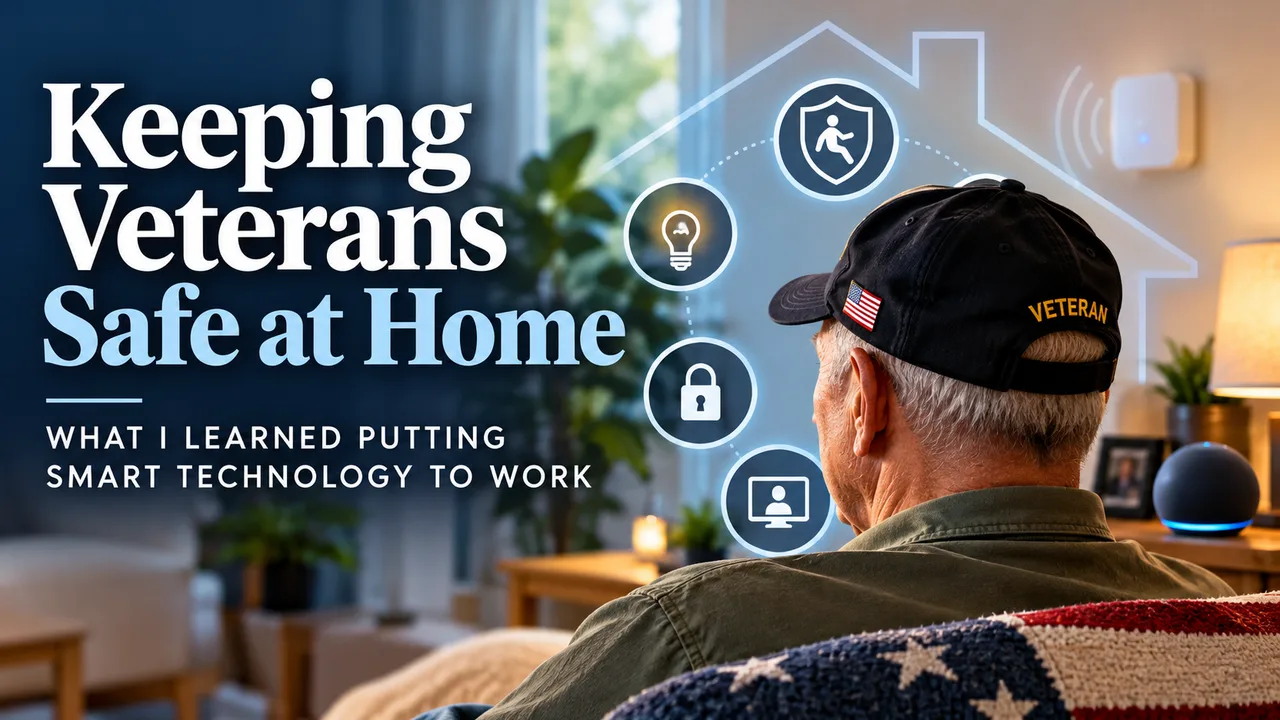
Veterans
A former VA Home Safety Coordinator on the smart home devices that kept veterans safe, and how they actually reach a veteran through the VA.
Technology
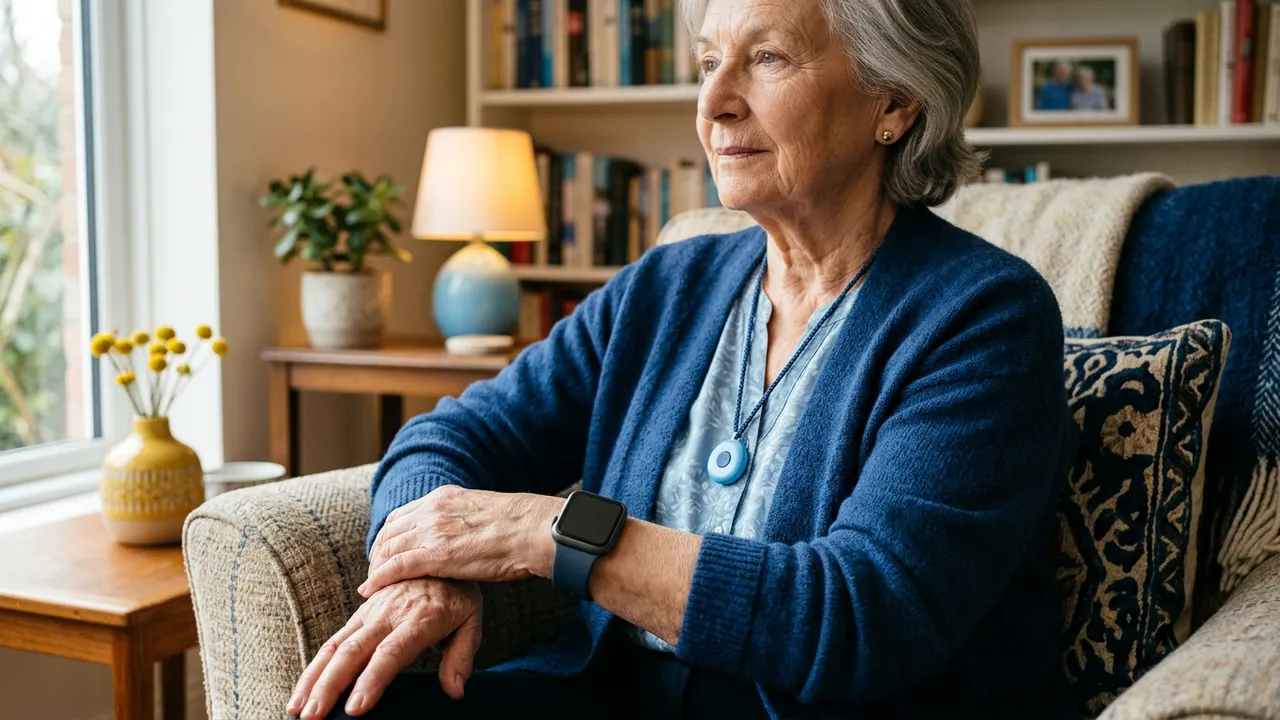
A medical alert device can get help to you faster after a fall. It does not stop the fall from happening.
Mobility devices
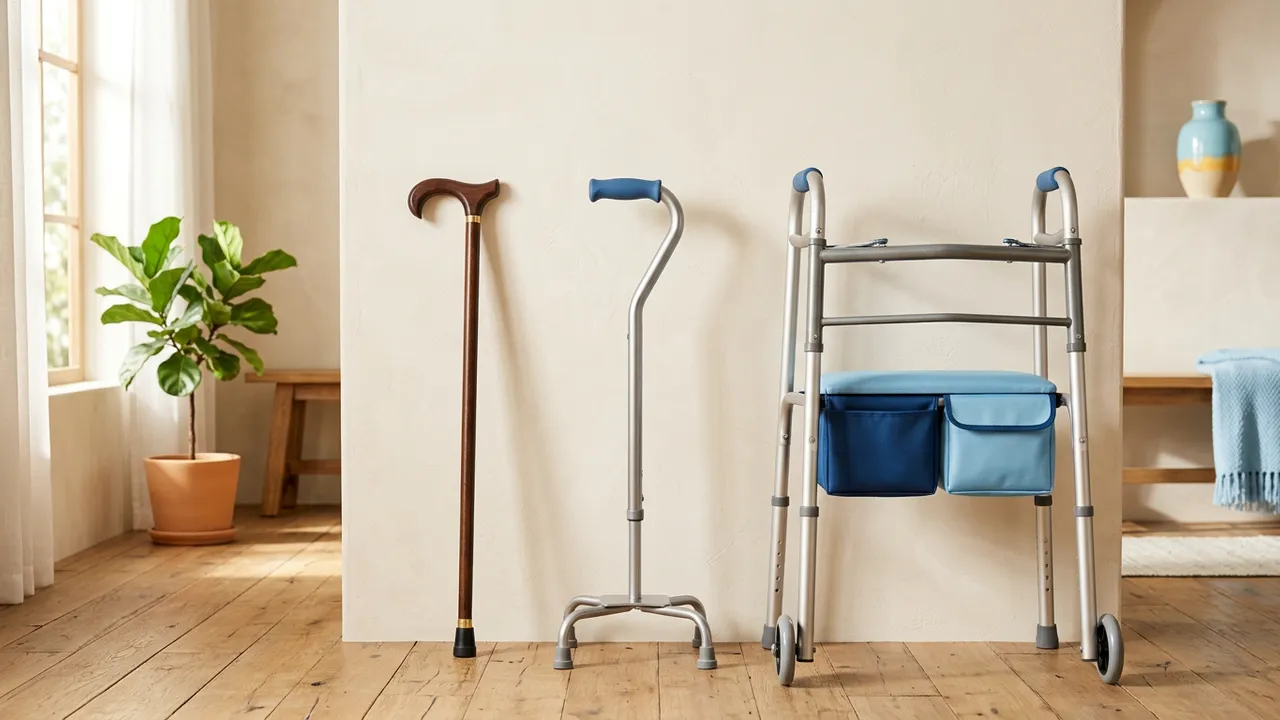
The right mobility aid, sized correctly and taught well, helps prevent falls. The wrong one, a damaged one, or one you were never shown how to use can cause them.
Access options
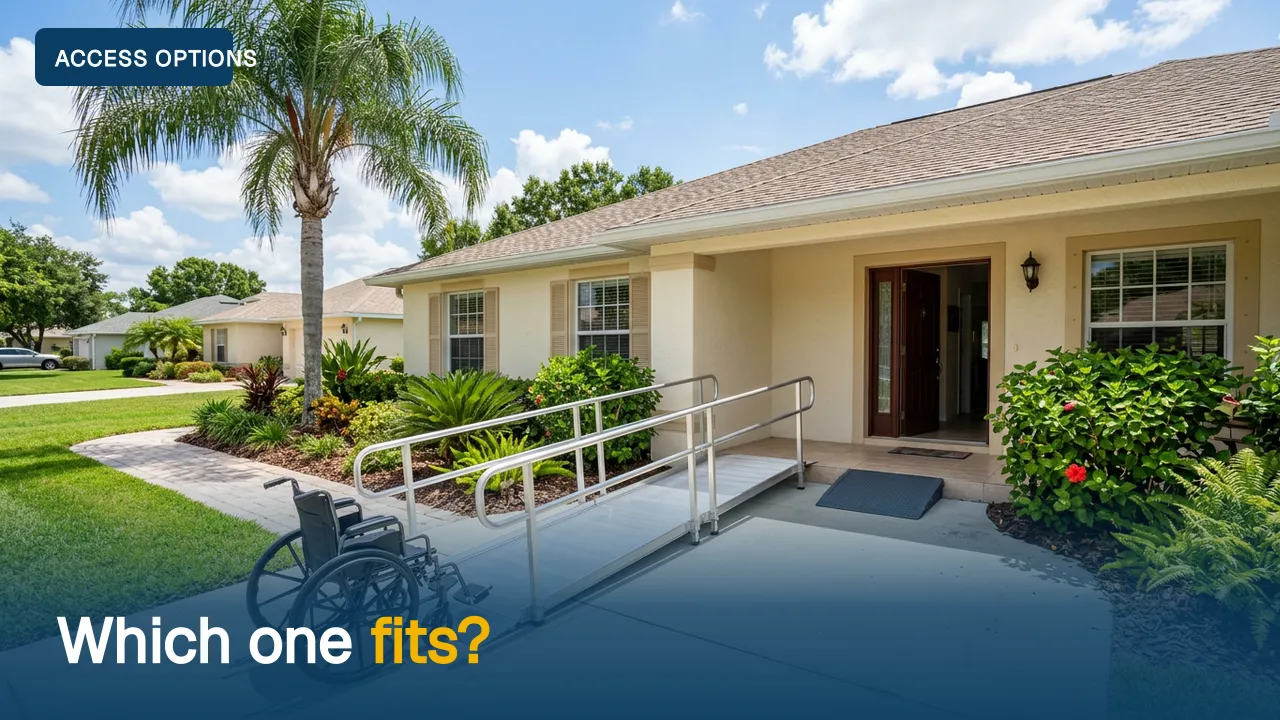
Threshold ramps, full ramps, platform lifts and stair lifts compared on rise, space and cost, plus pre-built ramp options and how to choose.
Storm readiness
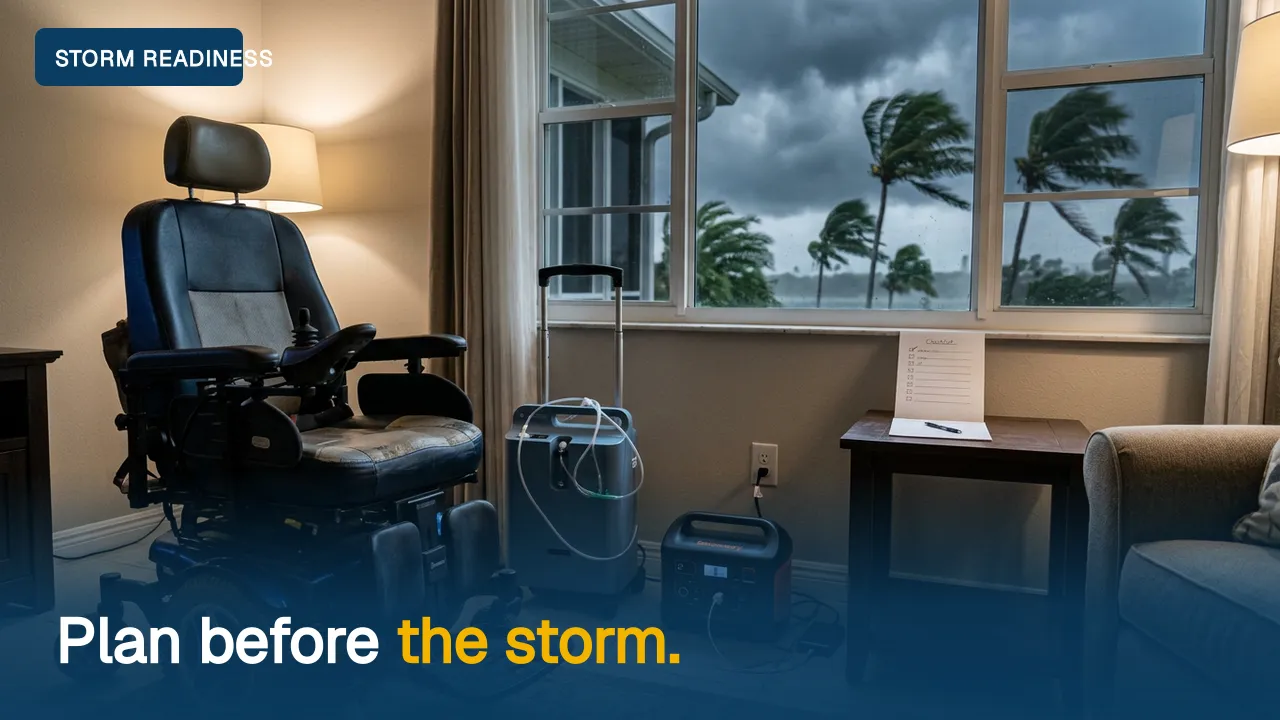
Utilities will not restore you first. Backup oxygen, battery planning, generator safety and Tampa Bay special needs registration, before June.
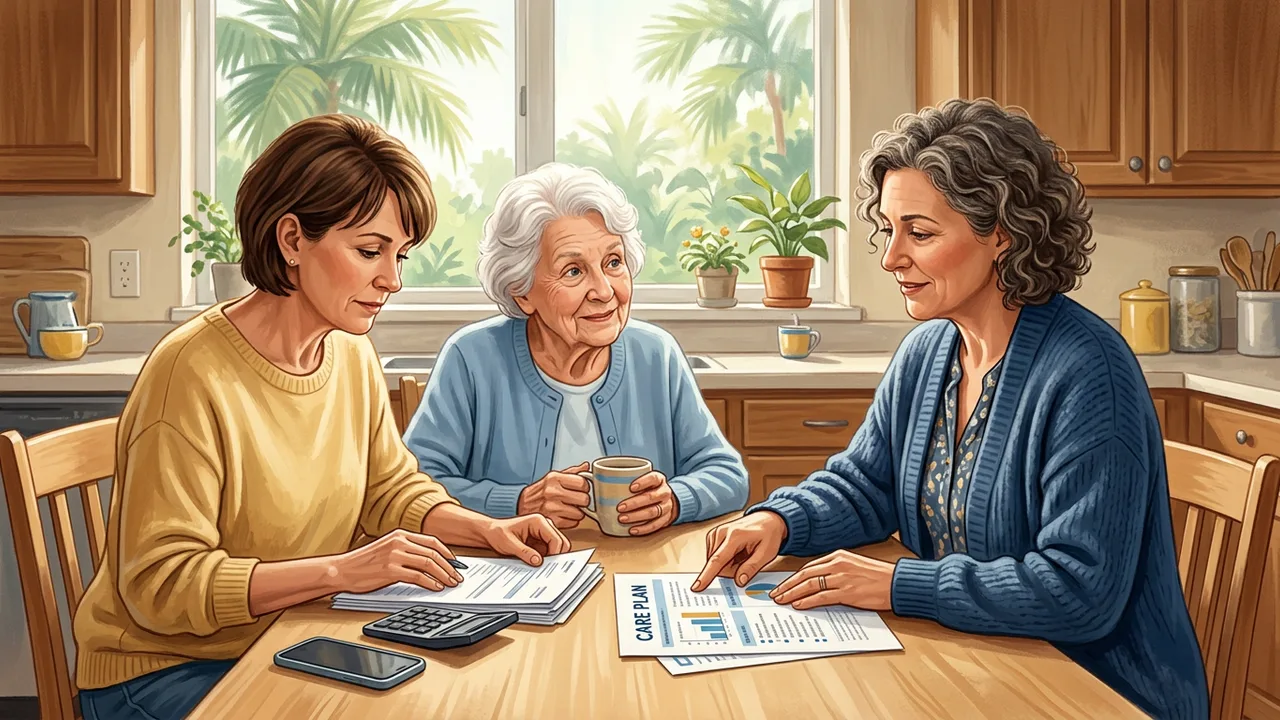
Caregiver pay
Medicare GUIDE gives dementia families a care navigator, a 24/7 line and up to $2,625 a year of respite. Here is who qualifies, and every other way a family caregiver can get paid or relieved.
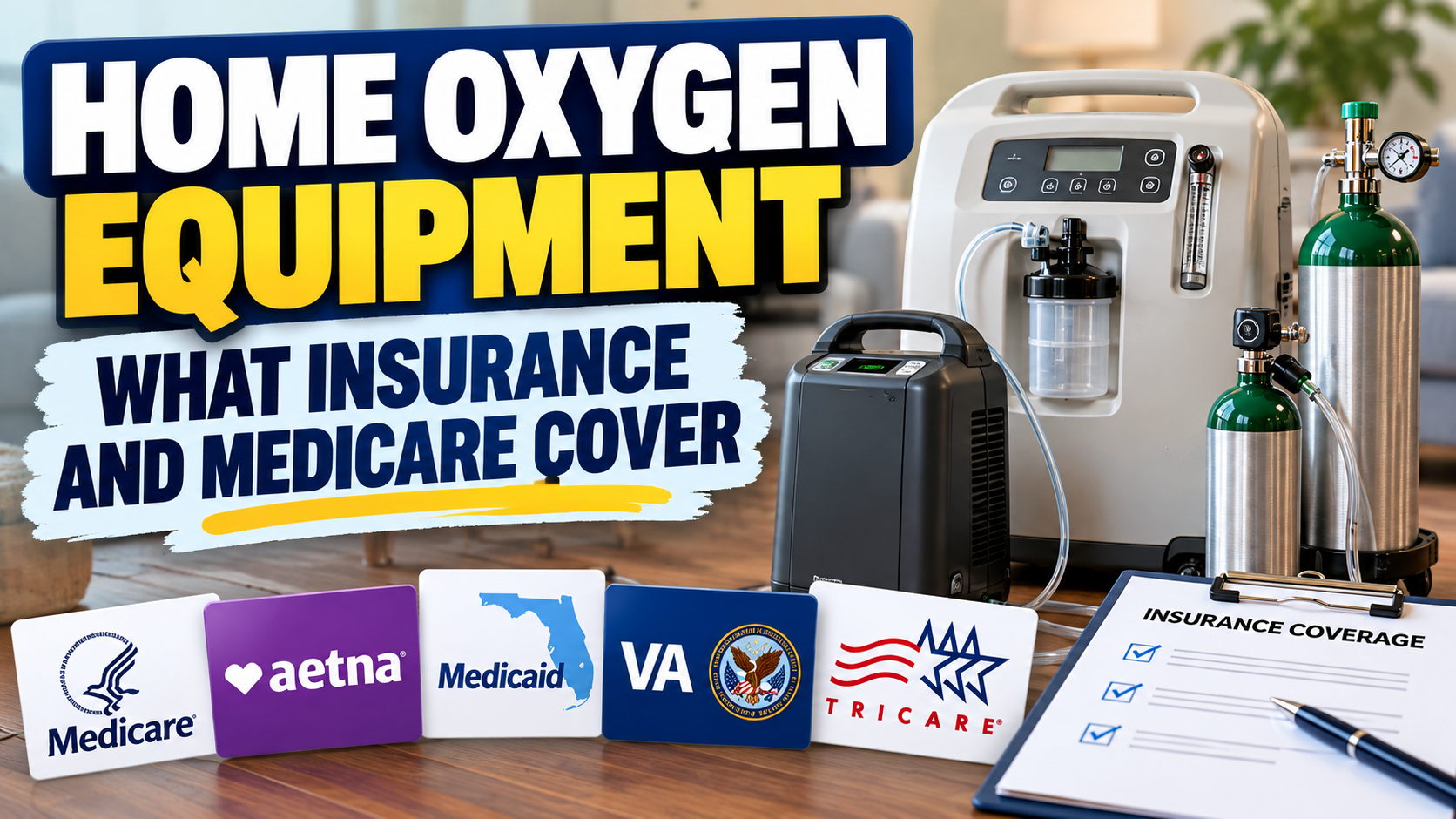
Oxygen coverage
What Medicare, Medicare Advantage, Florida Medicaid, the VA, TRICARE and private insurance cover for concentrators, portable units and oxygen tanks.
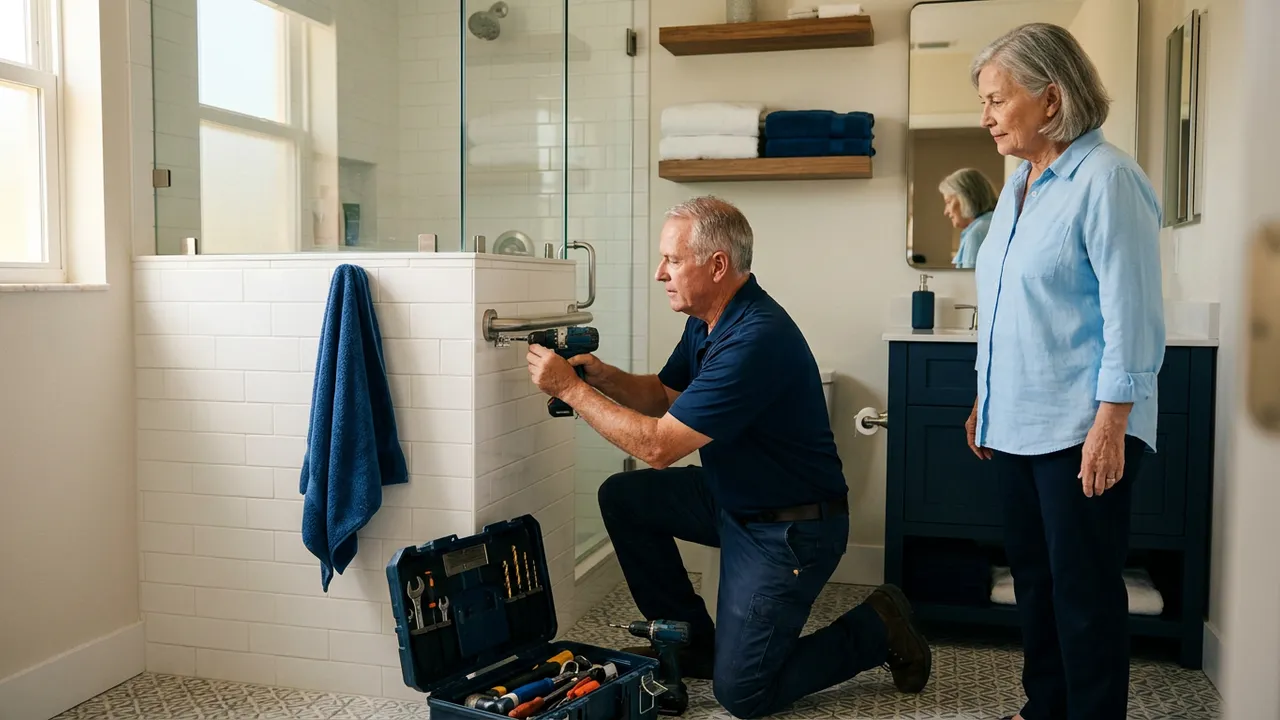
Funding
Original Medicare generally does not pay for grab bars, raised toilet seats, shower chairs, ramps or stair lifts.
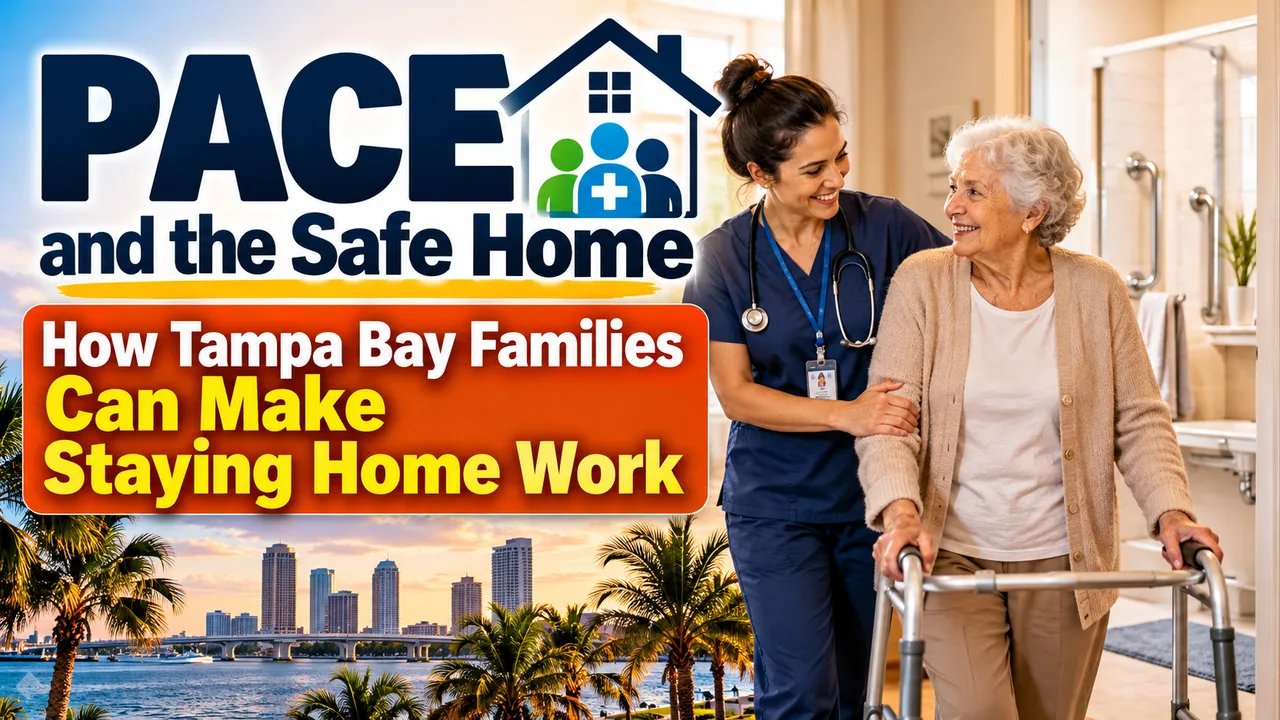
Aging in place
How PACE brings nursing home level care to the home, who qualifies in Florida, and how to get the house ready so the plan works.
Medicare
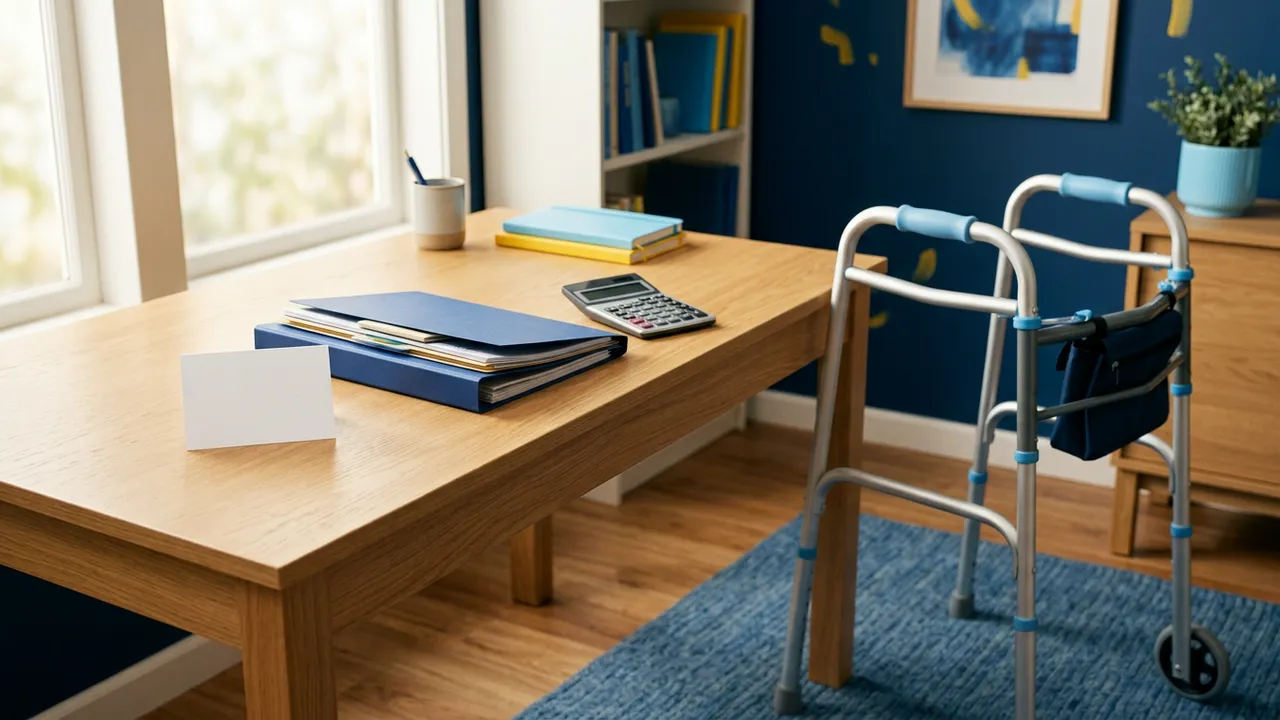
Medicare pays for much of the medical side of fall prevention: checkups, therapy, and equipment like walkers.

Cost and coverage
What Medicare may and may not cover, other programs that can help, and how our home safety consultations are paid.
Consumer guide
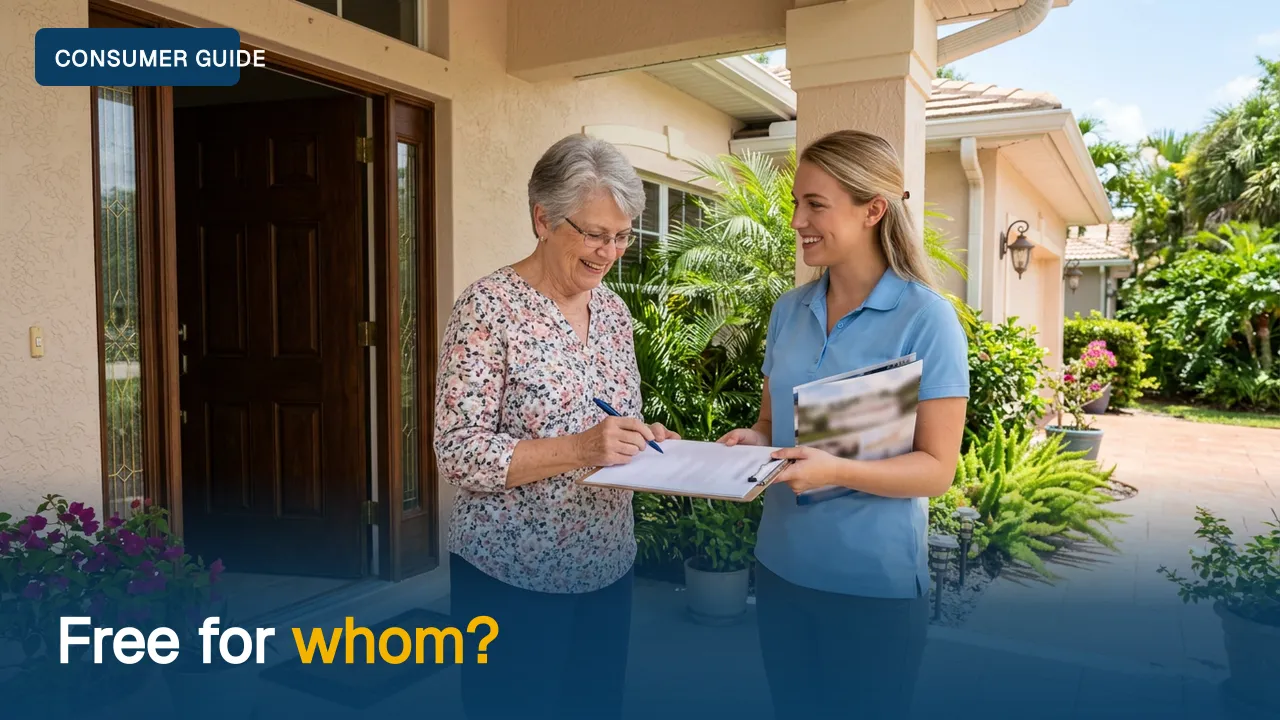
Why free safety checks are usually sales appointments, what a clinician sees that a contractor may not, and your rights when you sign at home.
For families
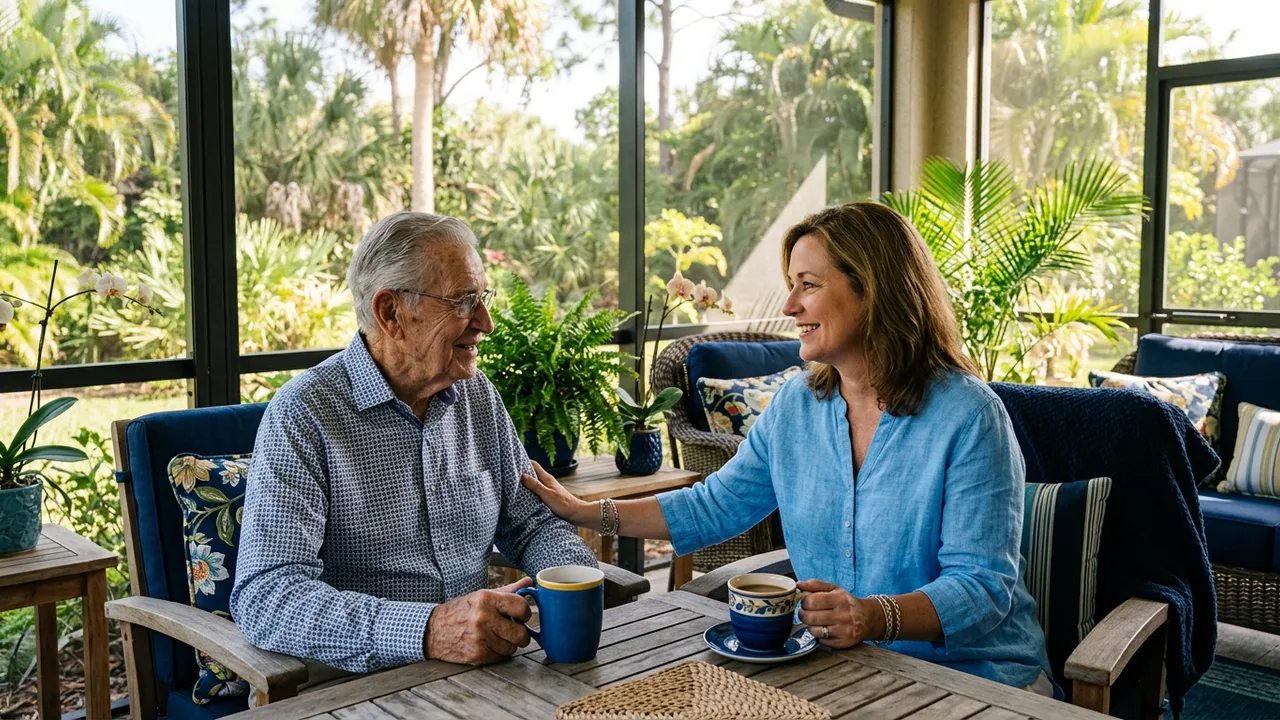
Start with what your parent wants, not with what scares you. Talk about staying independent and doing the things they love, rather than about "falls." Use the word "concern" instead of "fear," offer choices instead of orders, and expect this to be several conversations, not one.
For families
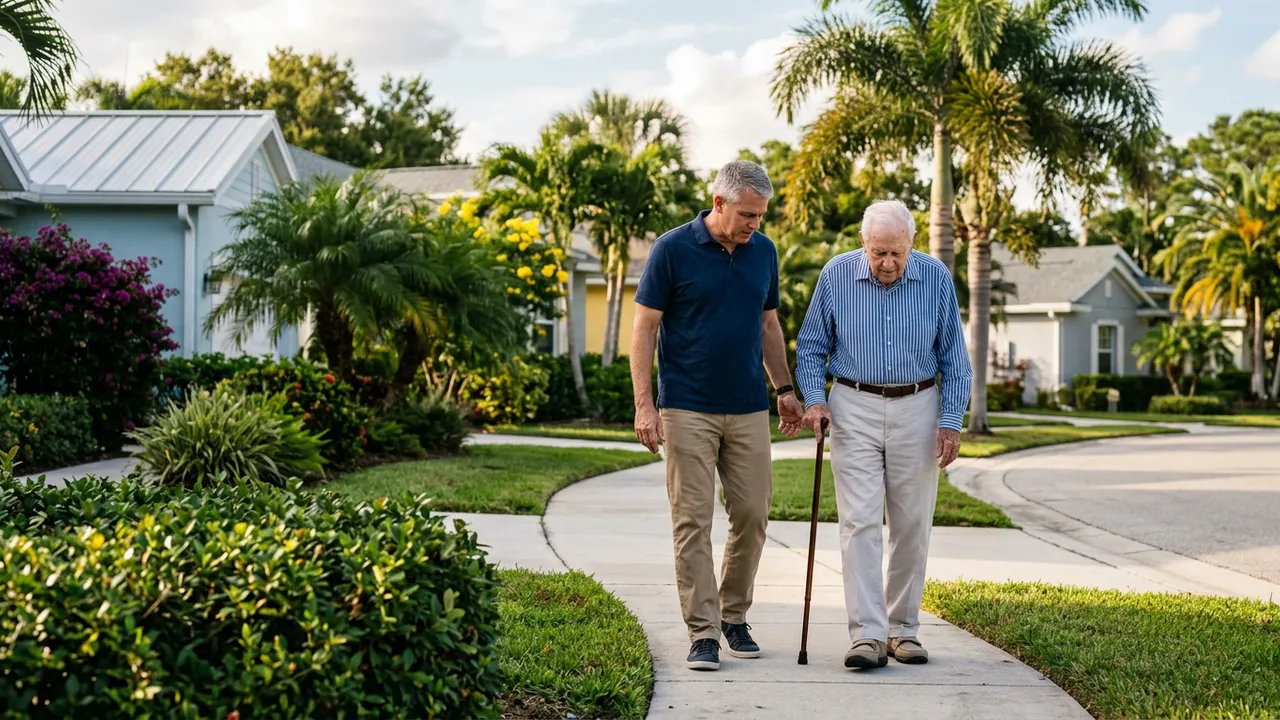
Watch how your parent moves, not just what they say. Holding on to furniture to get around, pushing up hard with their hands to stand, shuffling or slowing down, and avoiding stairs or outings are all signs worth noticing.
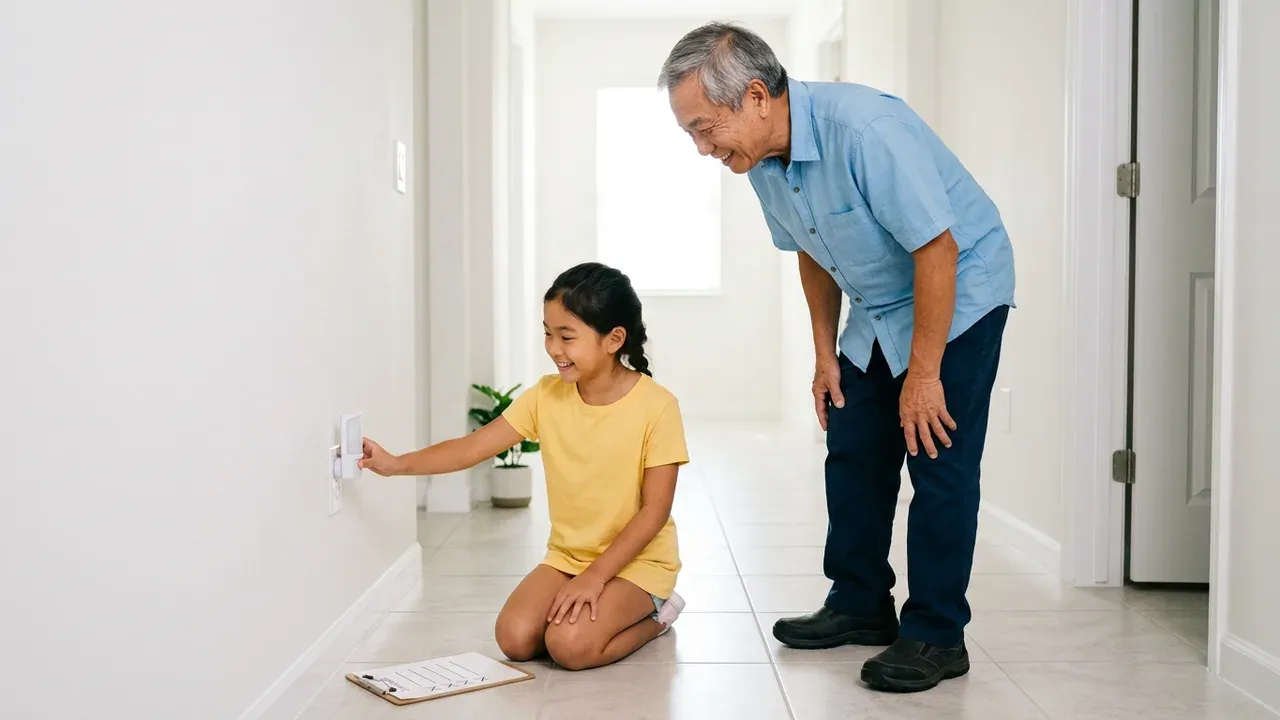
Family caregiving
Hazard hunts, night light patrol, tech help and storm prep: age-by-age safety jobs grandkids can take on, and what to leave to adults.
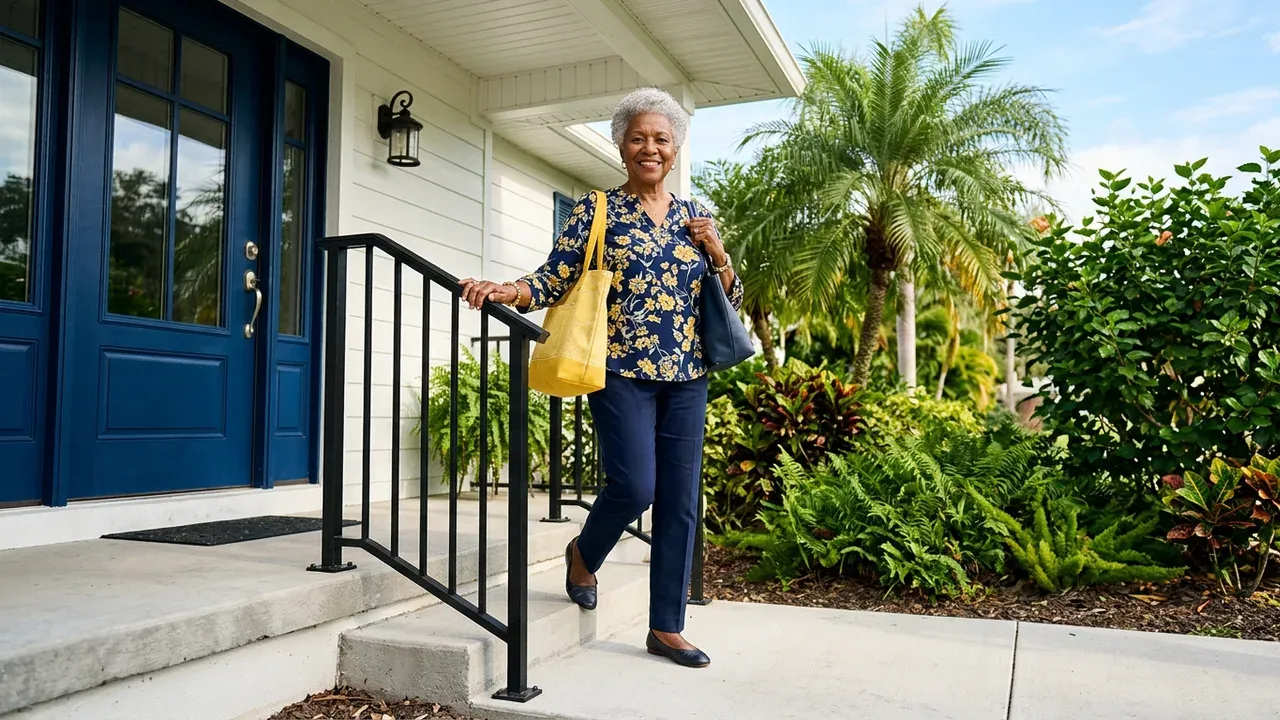
Independence
Independence is a fit between a person and a place. Five areas of the home that keep a parent going out, moving, and cooking for themselves.

Long-distance caregiving
Make video calls a real safety check, choose technology your parent agrees to, and build a local team you can call within an hour.
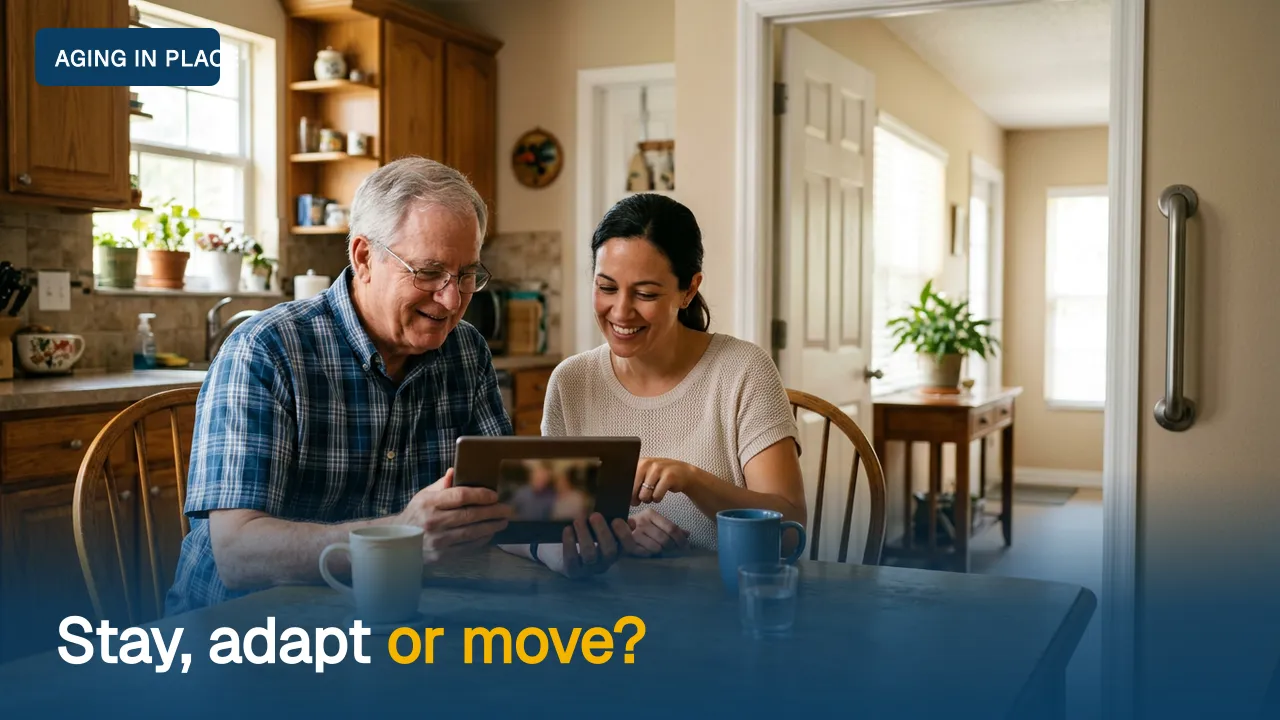
Aging in place
Signs the home is still working, signs it is not, what the evidence says about making it work, and the four questions an assessment answers.
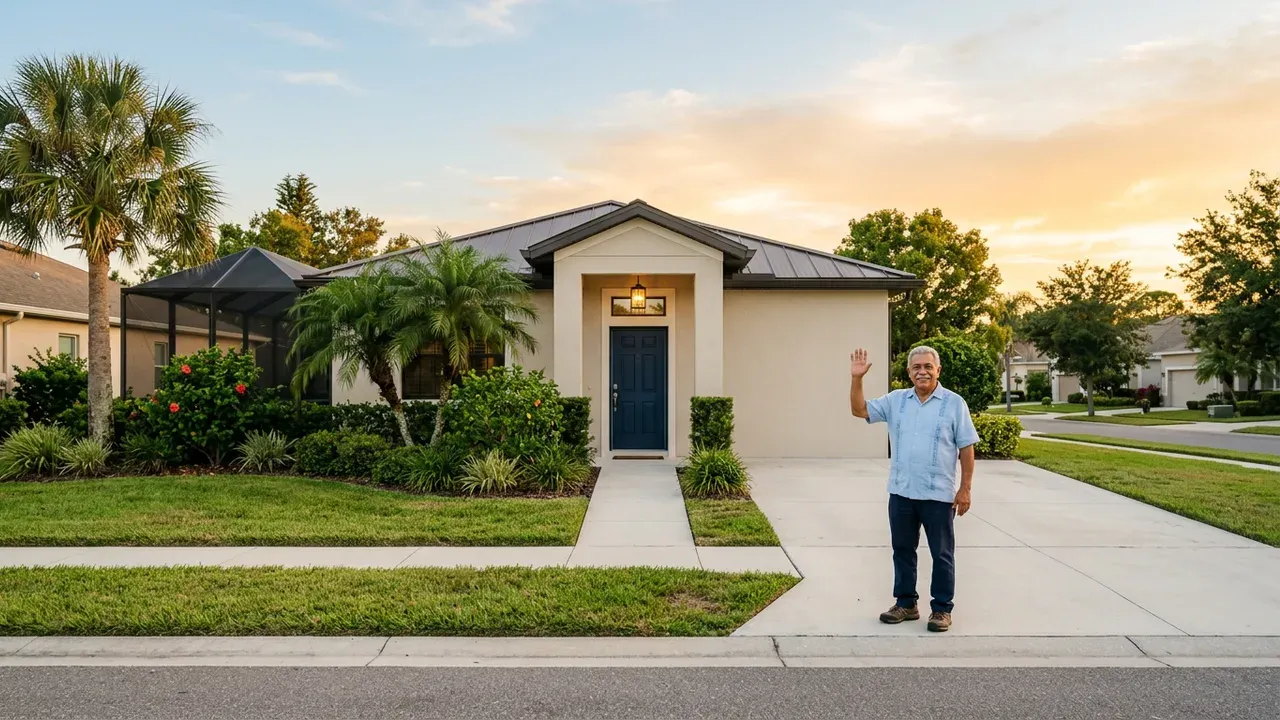
Aging in place
Why staying home is worth it, the Florida ranch-home traps that get in the way, and four signs aging in place can work.
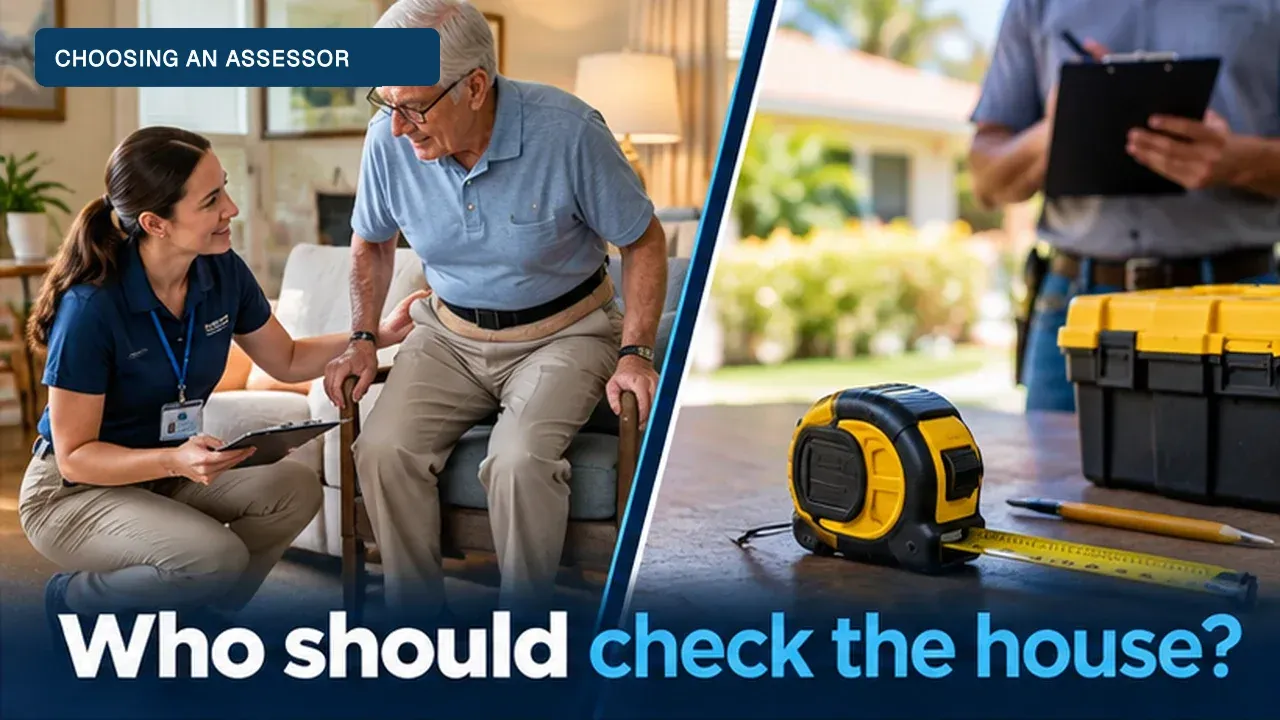
Choosing an assessor
Physical therapists, occupational therapists, ATPs, CAPS builders and free contractor checks compared, with six questions to ask anyone who assesses a home.
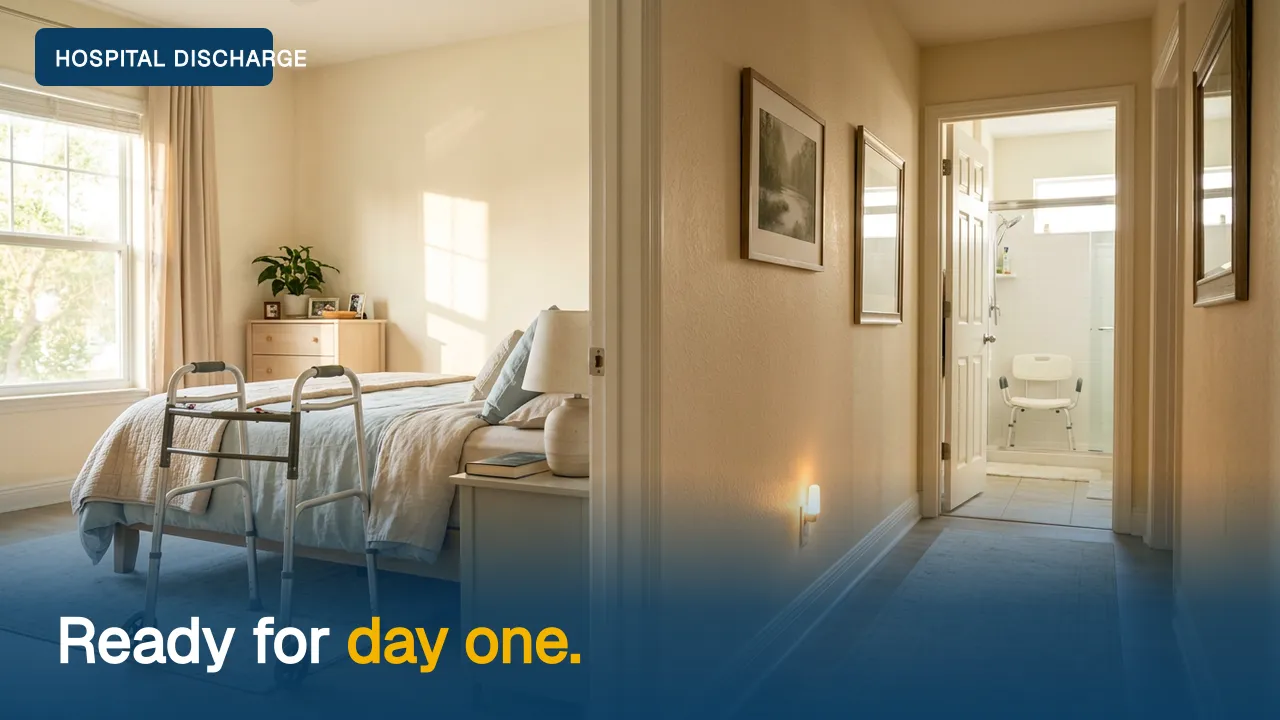
Hospital discharge
The four places that must work on day one, what can safely wait, and who actually checks the house before someone comes home.
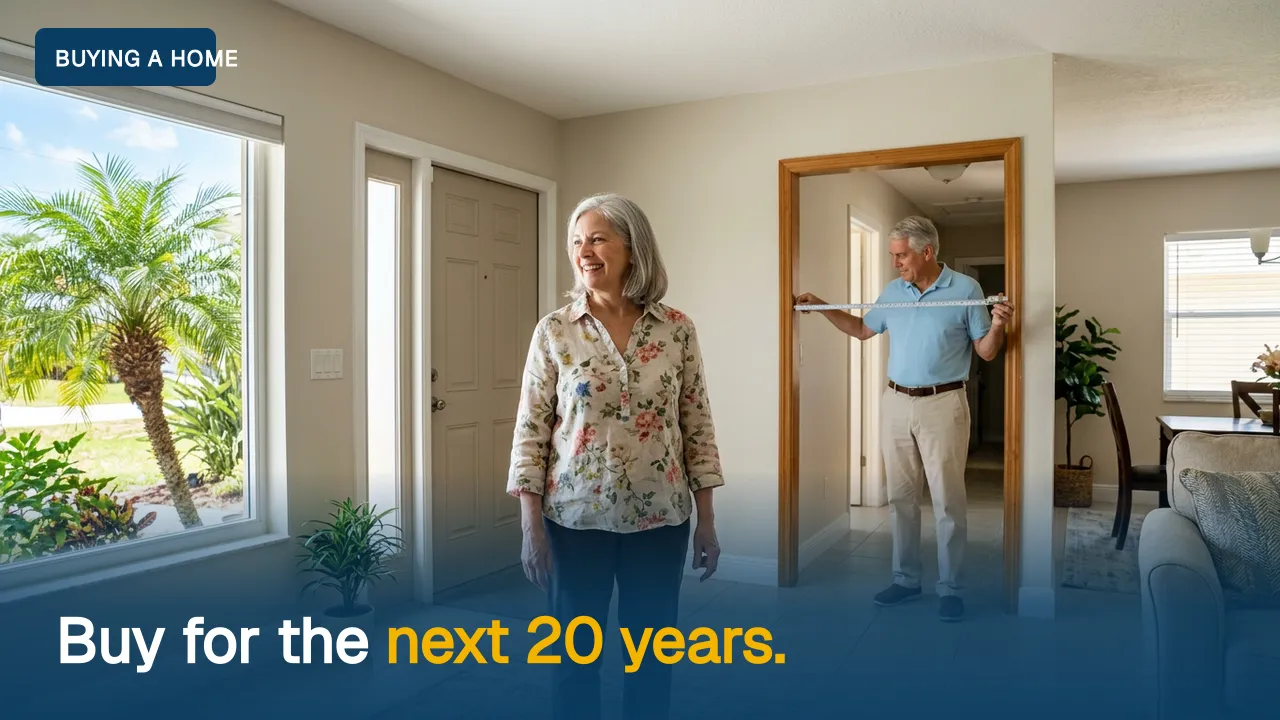
Buying a home
One story is a start, not the finish. Florida-specific traps, a ten-point tour checklist, and how to buy for the next 20 years.
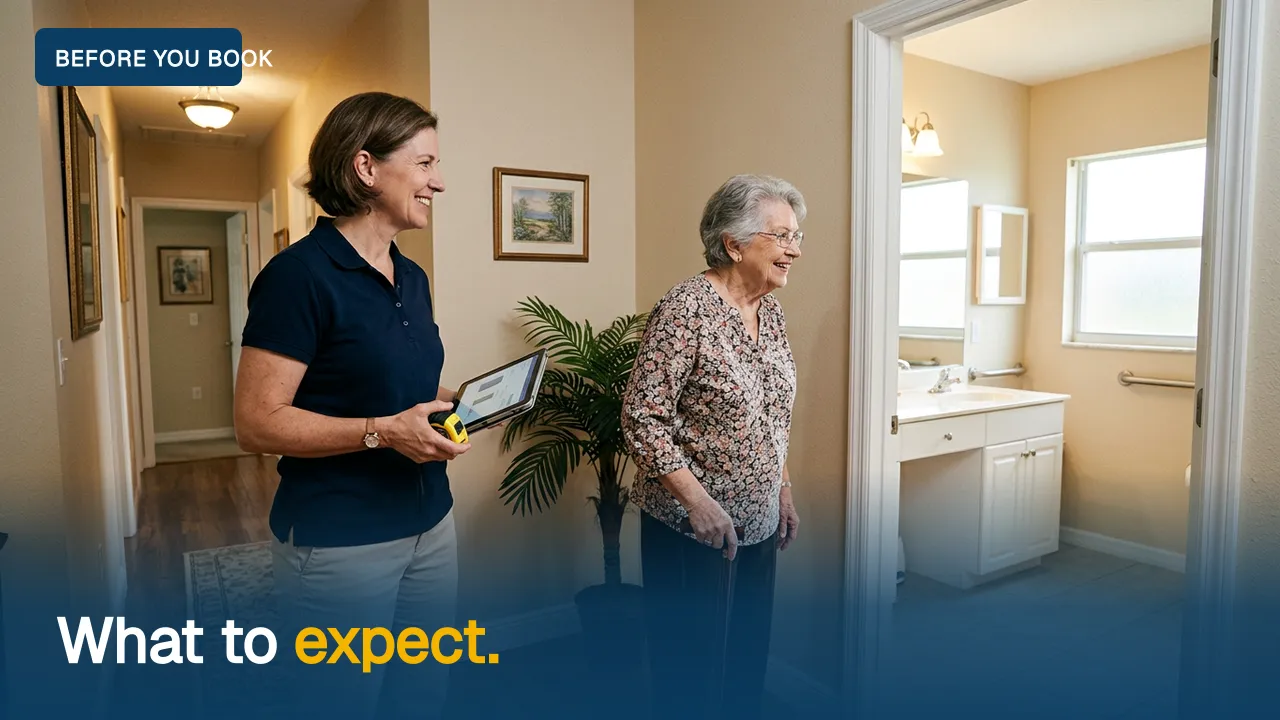
Before you book
The planning call, the 60 to 120 minute visit, the fall risk tests we use, and the written photo report and prioritized plan you keep.
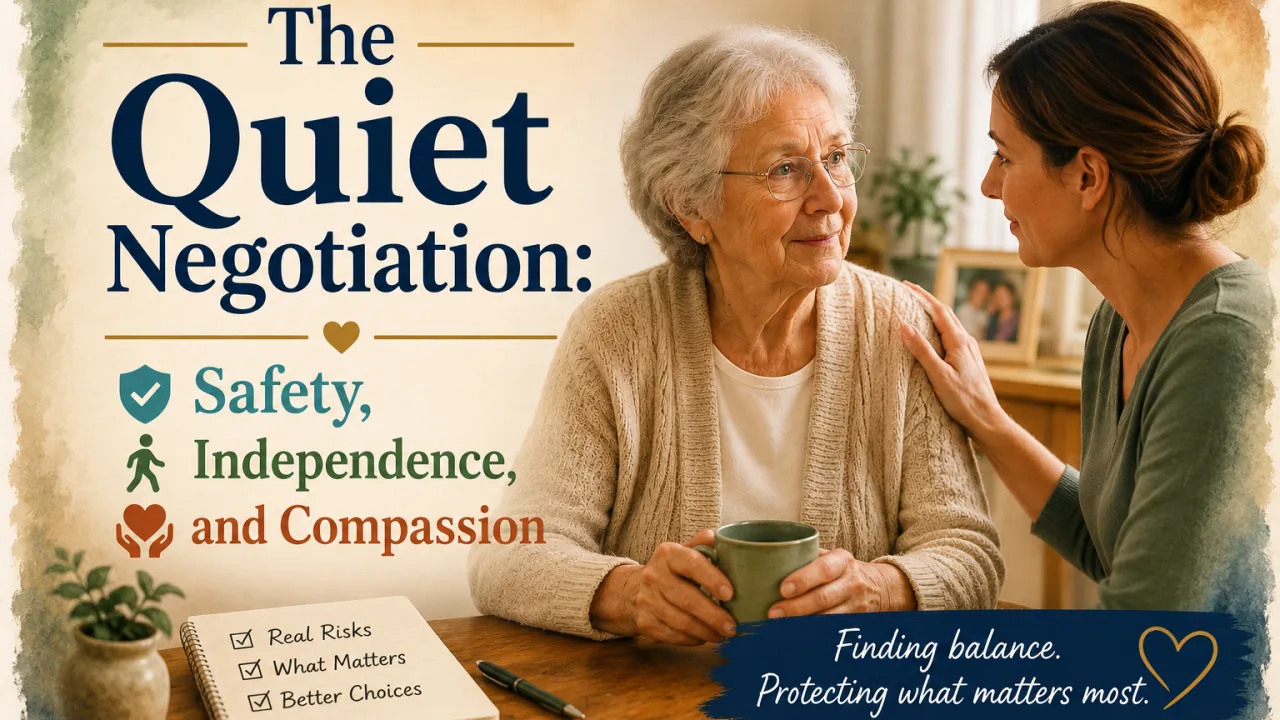
Aging in place · Caregiving
Why you cannot subtract your way to safety, and how families can protect what matters most without shrinking the life they are trying to protect.
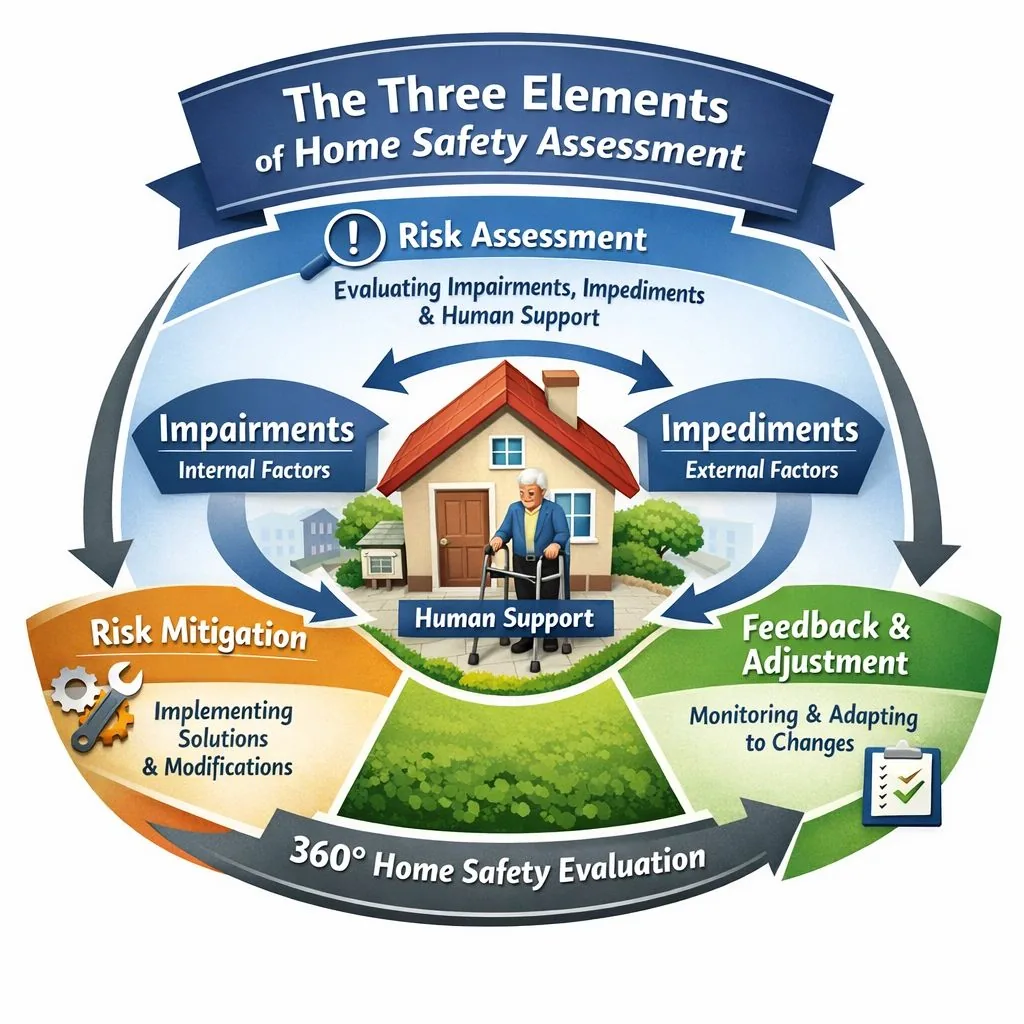
Home safety assessment · Veterans
A framework from a decade of keeping veterans safe at home: impairments and impediments, the human factor, and why the simplest technology is often the best.
In-depth, referenced reports for families, clinicians and referral partners. Free to download.
White paper · Fall prevention
Why older adults fall, how risk is screened and assessed, and the interventions that work: exercise, medication review, vision, the home and more. Start with our fall risk quick check.
We are producing short, practical videos on home safety and caregiving.
No videos are posted yet. When we publish one, it will appear here alongside the articles.
Have a topic you would like us to cover? Call (813) 365-9171 or email info@homesafety.solutions.
Start with a $50 Initial Consultation. We talk through your goals and concerns and point you to the right visit.
30-minute phone call. $50, credited toward any visit within 30 days.