
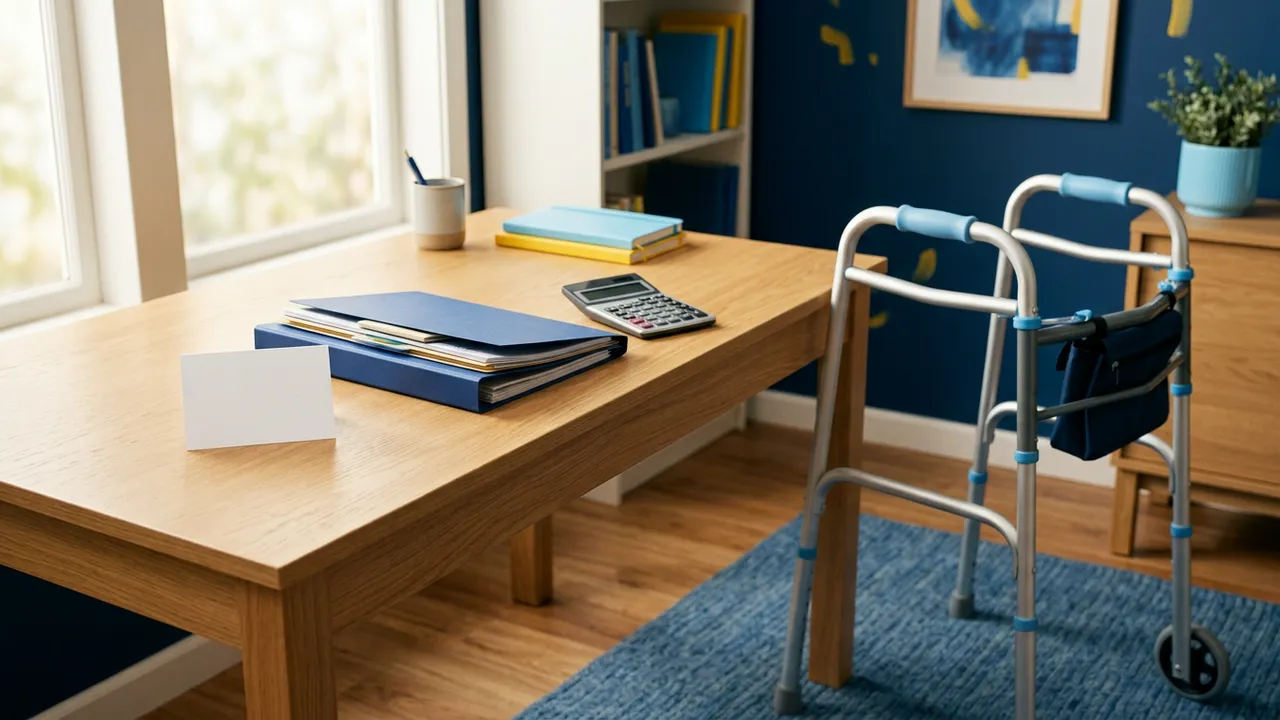
Medicare pays for much of the medical side of fall prevention: checkups, therapy, and equipment like walkers. It generally does not pay for changes to the house, such as grab bars or ramps. Knowing the difference helps you plan and find other help where Medicare stops.
What Medicare generally covers
The Annual Wellness Visit (AWV). This yearly visit includes a review of your functional ability and safety, which covers fall risk screening. You pay nothing for the visit if your provider accepts assignment, though extra tests or services done at the same visit may cost you. It is a good time to tell your doctor about any falls, near falls, or worry about falling. See Medicare: yearly wellness visits.
Doctor visits for a full fall risk assessment. If you have fallen or screen at risk, a full look at your medicines, blood pressure, vision, feet, strength, and balance is usually billed as a regular problem-focused visit.
Care after a hospital stay. Transitional Care Management covers the 30 days after a hospital or facility discharge, a period of very high fall risk.
Ongoing care management. Chronic Care Management and newer Advanced Primary Care Management services bundle ongoing care coordination, which can include follow-up on fall risk.
Physical and occupational therapy. Under Part B, therapy for balance, walking, strength, and home safety training is covered when medically necessary, subject to coinsurance.
Home health. If you are homebound, home health can include PT, OT, and nursing that address fall risk.
Equipment: often covered, with conditions
Walkers, canes, wheelchairs, and hospital beds are durable medical equipment (DME). They may be covered under Medicare Part B when:
- Your clinician orders the item, and
- It comes from a Medicare-enrolled supplier.
You usually pay about 20% coinsurance after the Part B deductible. Ask your supplier whether they are enrolled before you buy. See Medicare: durable medical equipment coverage.
What Original Medicare generally doesn't cover
Bathroom safety items and home modifications are generally not covered by Original Medicare. That includes:
- Grab bars
- Raised toilet seats
- Shower chairs
- Ramps
- Stair lifts
These are often the changes that matter most at home, so plan for them separately.
Where else to look for help
- Medicare Advantage plans. Some plans help with bathroom safety items or home changes, and some include fitness benefits or community class coverage. Call your plan and ask what it offers.
- Medicaid waiver programs may help people who qualify.
- Veterans: the VA HISA grant provides up to $6,800 (service-connected) or $2,000 (non-service-connected) for medically necessary home changes.
- Area Agencies on Aging and Older Americans Act programs. In Tampa Bay, try the Senior Connection Center (Hillsborough, Polk, Manatee, Highlands, Hardee) or the Area Agency on Aging of Pasco-Pinellas. The Florida Elder Helpline is 1-800-963-5337.
- Florida's Community Care for the Elderly program.
- Rebuilding Together, which offers free home repairs through local affiliates.
- FAAST (Florida Alliance for Assistive Services and Technology), 844-353-2278, for assistive technology loans and reuse programs.
Exercise programs
Exercise is the single most effective way to prevent falls. Under the Affordable Care Act, most private plans must cover services the U.S. Preventive Services Task Force rates A or B without cost sharing, and exercise for adults 65 and older living in the community at higher fall risk is rated B. Coverage for the exercise programs themselves still varies by plan, so ask.
What about a home safety assessment?
Read Does Medicare pay for a home safety assessment? for a full explanation.
Tips to avoid surprises
- Ask before you buy. Confirm that equipment is ordered by your clinician and comes from an enrolled supplier.
- Get therapy started early. Ask your doctor about PT or OT if you have had a fall or feel unsteady.
- Use your wellness visit. Bring up falls, dizziness, and medicines every year.
- Check every year. Codes and payment rules change every year, so confirm with Medicare, your plan, or a billing professional before relying on any single item.
How Home Safety Solutions can help
Every Home Safety Solutions report includes clear notes on what Medicare and other programs may or may not cover, along with local resources for equipment and funding. We do not accept referral fees from contractors, suppliers, or vendors. Learn what happens during a home safety visit. Call (813) 365-9171 or email info@homesafety.solutions.
Related reading: Does Medicare pay for a home safety assessment? · Is a free contractor home safety check really free? · Home oxygen equipment: what insurance and Medicare cover · Is it normal to fall as you get older?
This article is general education, not medical advice. Talk with your doctor, pharmacist, or therapist about your own situation.