
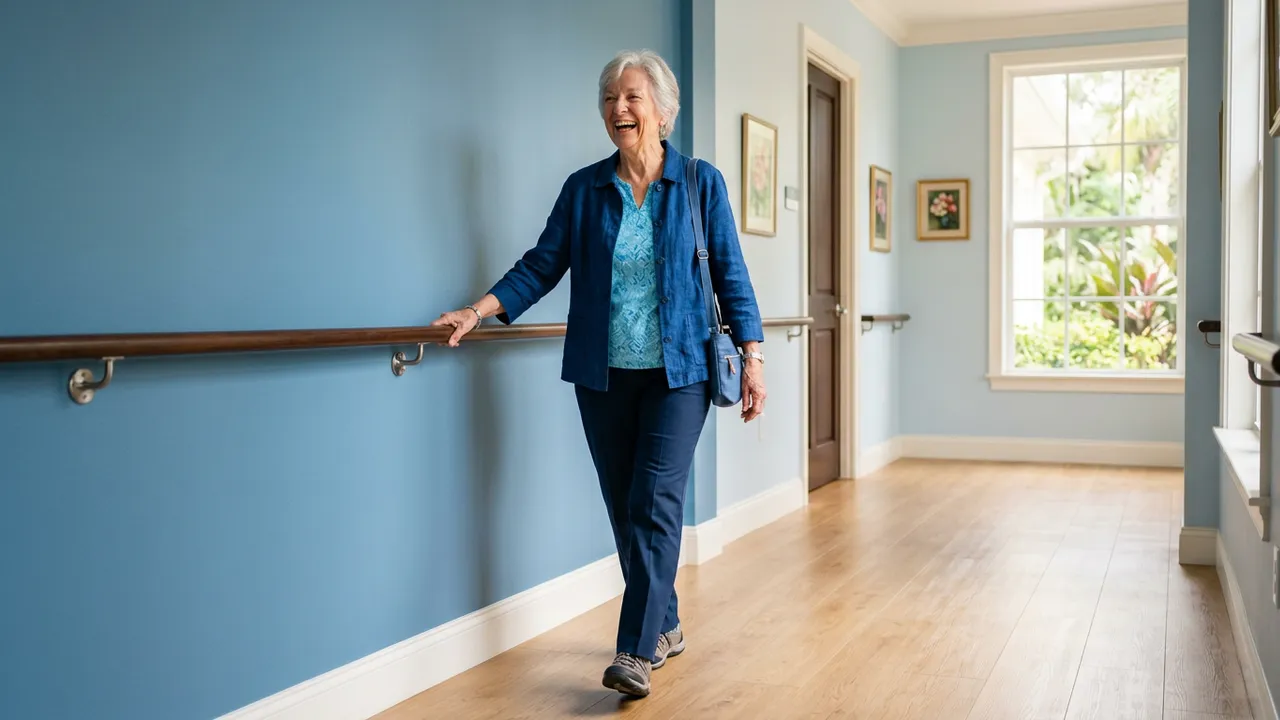
Falls are common as people get older, but they are not a normal or expected part of aging. Most falls have causes that can be found and fixed, and usually there is more than one. If you or your parent has fallen or feels unsteady, treat it as a signal to look closer, not something to accept.
How common are falls?
Falls are the leading cause of injury and injury death in Americans 65 and older. The numbers are large and still rising:
- More than 14 million older adults, about 1 in 4, report a fall each year.
- In 2024, 43,020 older adults died from falls.
- Fall injuries sent more than 3.85 million older adults to emergency departments in 2023, according to the National Safety Council.
- Falls cause most hip fractures, and they are the most common cause of traumatic brain injury in older adults.
Why "normal" is the wrong word
Age alone is not what causes falls. When health, body composition and balance are good, age by itself is not a significant risk factor. What changes with age is how many things can go wrong at the same time: weaker legs, a new medicine, a change in vision, a dim hallway.
Believing that "old people fall" can keep someone from getting help. Fewer than half of people who fall tell their doctor, even though falling once doubles the chance of falling again.
What a fall can set in motion
Even a fall without an injury can change a life. Many people become worried about falling, move less, lose strength and then fall more.
One in eight older adults who fall lie on the floor for more than an hour. A long lie can lead to dehydration, pressure injuries and pneumonia. Falls and hip fractures are leading reasons people lose their independence and move into a nursing home.
What raises fall risk, and what you can change
About 60% of falls come from several factors acting together, and risk rises with each one added. A helpful rule of thumb: about a third of fall causes come from the body and health, a third from medicines and alcohol, and a third from the home.
Here is the full picture, with our articles on each topic:
- Strength and balance. Exercise that challenges balance is the single most effective way to prevent falls. In pooled trials it cut the rate of falls by about 15%. To see where you stand, read Three 5-minute tests to check your fall risk at home.
- Medicines. Sleep aids, sedatives, some antidepressants, opioids, nerve pain drugs and blood pressure drugs can all raise risk. Read The medicines that make falls more likely.
- Blood pressure drops when you stand. Read Dizzy when you stand up? Orthostatic hypotension and falls.
- Vision. Outdated glasses, multifocal lenses and low vision all play a part. Read Bifocals and stairs and Living with low vision at home.
- The inner ear. Spinning when you roll over or look up is often treatable. Read Vertigo when you roll over in bed: BPPV.
- Feet and footwear. Backless slippers, worn soles, walking in socks and numb feet all lead to stumbles.
- Bladder and sleep. Rushing to the toilet, getting up two or more times a night and poor sleep all raise risk.
- Concern about falling, low mood and pain. All three are common, and all three can be treated.
- The home. Rugs, clutter, cords, poor lighting, stairs without rails, slippery bathrooms, low soft chairs and pets underfoot. In Tampa Bay homes we also look closely at lanai and sliding door thresholds, sunken living rooms and wet entries during the rainy season.
Risks you cannot change, such as being over 80 or a past fracture, simply mean you deserve the most help.
Where to start this week
- Tell your doctor about any fall, near fall or unsteadiness, even if you were not hurt. Our article What to ask your doctor about falls walks you through it.
- Take a self-check. The CDC Stay Independent brochure and the NCOA Falls Free CheckUp both score your risk in a few minutes.
- Make five quick fixes: remove or secure throw rugs, add motion sensor lights in the bedroom, hallway and bathroom, clear clutter and cords from walkways, check handrails and grab bars, and store daily items where you do not have to reach, bend or climb.
- Start moving, and keep going. Ask about a balance and strength program. The benefits fade when exercise stops.
- Plan for the fall that still happens. Keep a phone on your body, not across the room, and learn how to get up from the floor.
How Home Safety Solutions can help
A home safety visit looks at you first and the house second: your fall history, medicines, vision, footwear, strength and balance, then the routes you actually walk every day. You get a written report with prioritized fixes and notes you can share with your doctor. Learn what happens during a home safety visit. Call (813) 365-9171 or email info@homesafety.solutions.
Related reading: CDC Stay Independent self-check (PDF) · NCOA Falls Free CheckUp · How do I prevent falls at night? · I've fallen and I can't get up
This article is general education, not medical advice. Talk with your doctor, pharmacist, or therapist about your own situation.